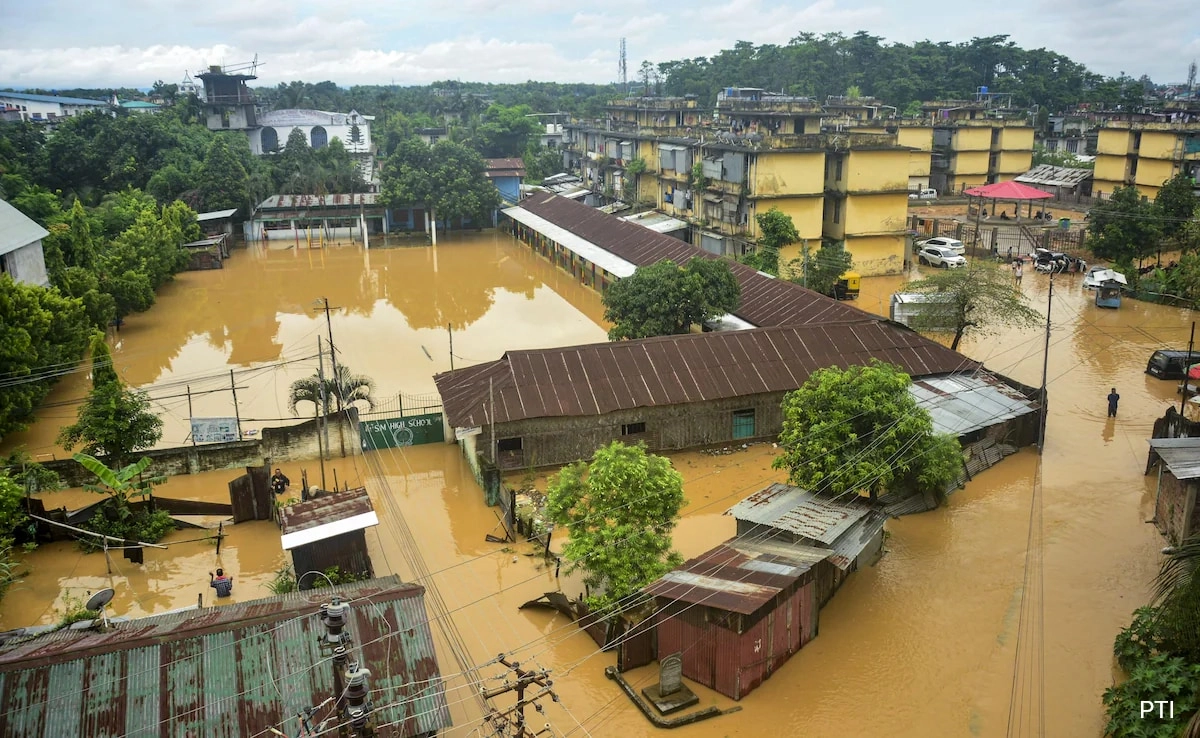
In a tragic turn of events, three lives have been lost due to severe weather conditions in Nagaland, prompting the suspension of flight operations in the region. The relentless rains have wreaked havoc, leading to widespread disruptions and posing significant challenges for local authorities and residents alike. The loss of life serves as a grim reminder of the power of nature and the vulnerabilities that communities face in the wake of extreme weather events.
The incessant downpour has resulted in numerous incidents, including landslides and flooding, which have not only claimed lives but also damaged infrastructure and homes. With flight operations halted, many travelers are left stranded, and the flow of essential goods and services has been severely impacted. This disruption highlights the broader implications of climate-related disasters, particularly in areas that are prone to such extreme weather patterns. Local government agencies are working tirelessly to assess the damage and provide assistance to those affected.
In response to the escalating crisis, emergency services are on high alert, coordinating relief efforts to ensure the safety and well-being of the community. Rescue operations are underway, focusing on reaching individuals who may be trapped or in need of urgent assistance. The situation remains fluid, with authorities closely monitoring weather forecasts and adjusting their response strategies accordingly. As the region grapples with these challenges, the resilience of the residents and the commitment of local agencies will be crucial in navigating through this difficult time.
Overall, the events in Nagaland serve as a stark reminder of the increasing frequency and intensity of weather-related disasters, underscoring the need for improved preparedness and response mechanisms to safeguard vulnerable communities.