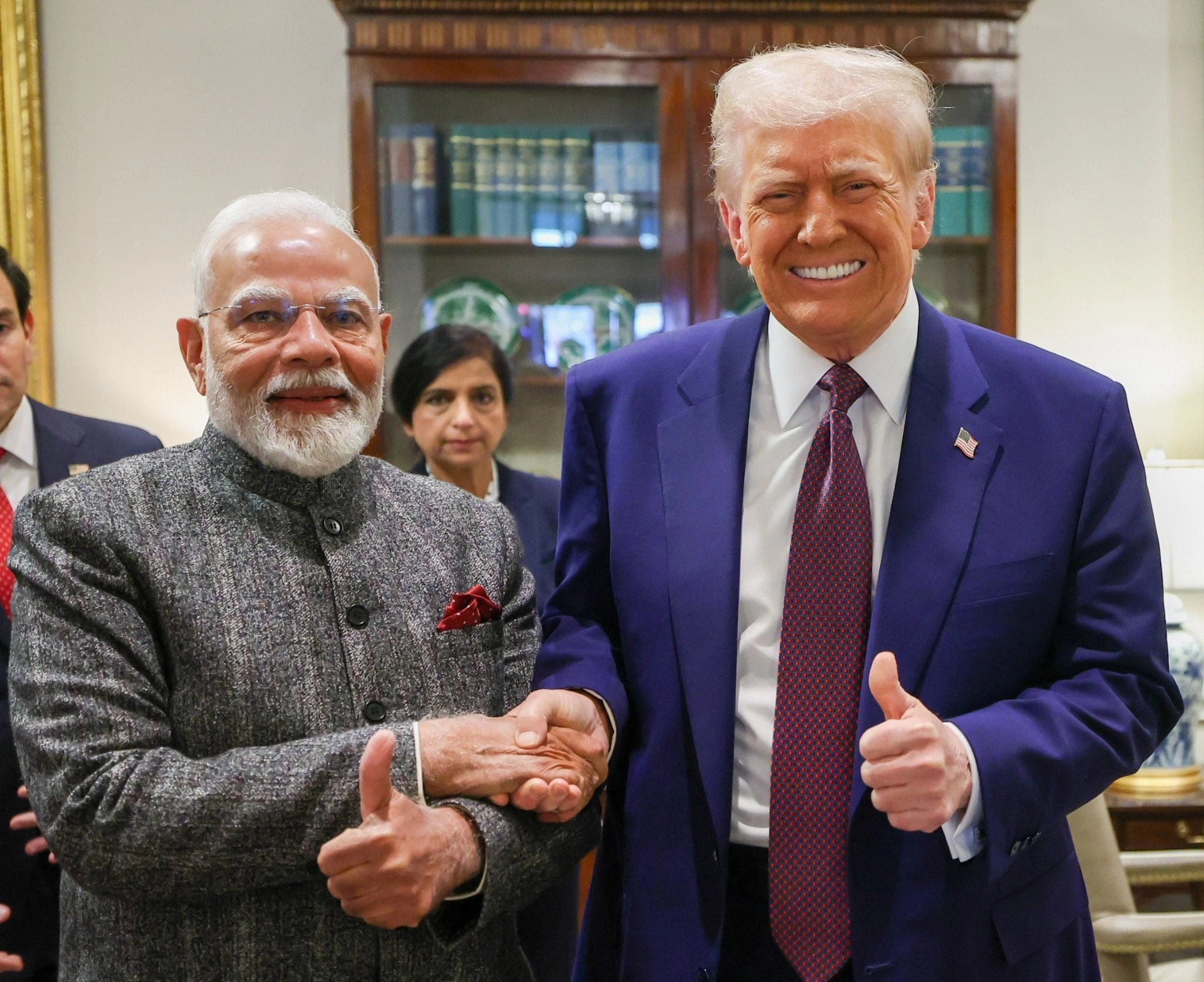
During a recent discussion regarding the ongoing trade negotiations between the United States and India, former President Donald Trump asserted that a significant reduction in tariffs could be achieved if certain conditions were met. Trump emphasized that the relationship between the two nations is crucial not only for economic reasons but also for broader geopolitical considerations. He indicated that both countries could benefit immensely from a more favorable trade agreement, which would entail lowering tariffs on various goods and services exchanged between them.
Trump’s remarks highlighted the potential for a mutually beneficial trade deal, suggesting that if India were willing to engage in more flexible negotiations, the U.S. could reciprocate with substantial concessions on tariffs. The former president’s comments reflect a broader strategy aimed at reshaping trade dynamics, emphasizing the importance of negotiation and compromise in achieving favorable outcomes for both parties. He pointed out that reducing tariffs would not only enhance bilateral trade but also foster a closer economic partnership that could lead to increased investment and collaboration in various sectors.
The implications of such a deal extend beyond just economic metrics; they also encompass strategic alliances in a rapidly evolving global landscape. As both nations navigate challenges posed by other global powers, a solidified partnership through trade agreements could bolster their positions on the world stage. Trump’s optimism about the potential for reduced tariffs underscores the importance of ongoing dialogue and the willingness to adapt to changing circumstances in international trade relations, particularly in the context of U.S.-India interactions.
In conclusion, the prospect of a trade deal that significantly lowers tariffs hinges on the willingness of both sides to engage in constructive negotiations. Trump’s statements serve as a reminder that while trade discussions can be complex, the ultimate goal is to create a framework that benefits both nations economically and strategically. As these talks progress, it will be interesting to observe how both governments respond and whether they can find common ground that leads to a more prosperous relationship.