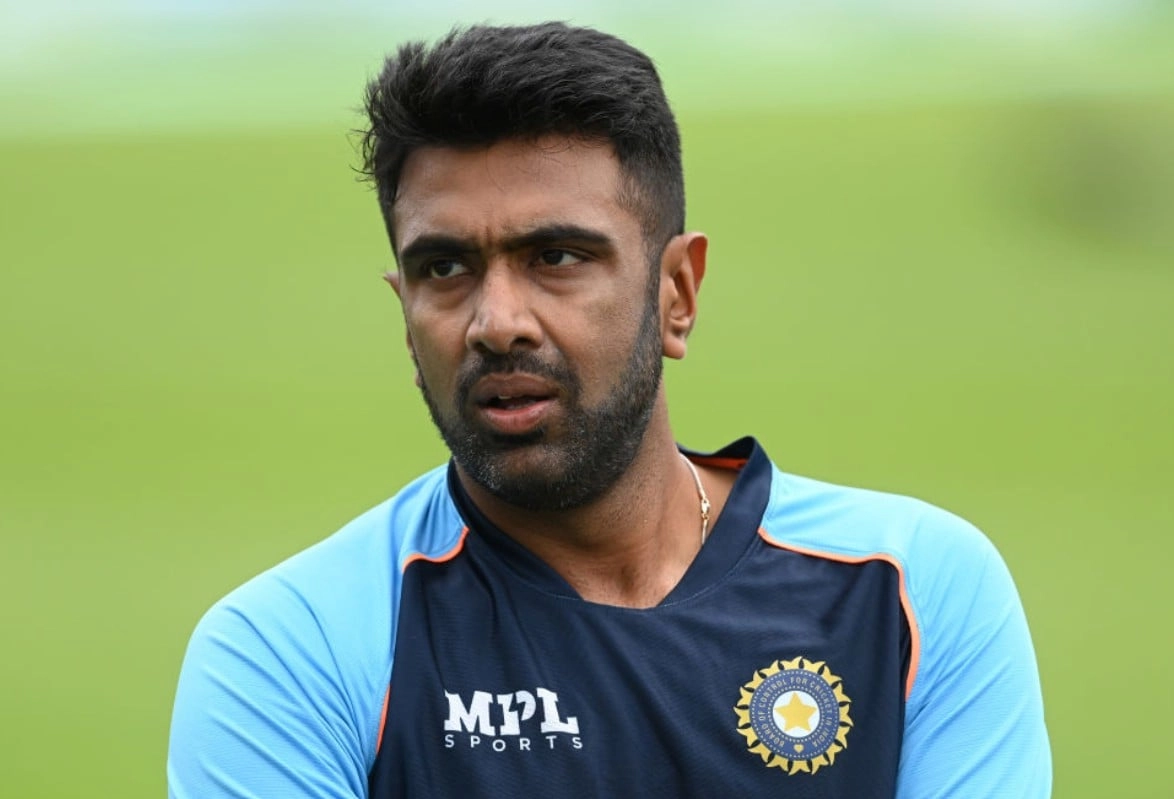
Ravichandran Ashwin, the renowned Indian cricketer, has recently sparked a robust discussion in the cricketing community with his pointed remarks regarding the performance of certain players in the Indian national team. In a candid statement, Ashwin questioned the absence of “daddy hundreds” from some of his teammates. The term “daddy hundred” refers to a score of 300 or more in a single innings, a milestone achieved by only a select few cricketers. Ashwin’s comments seem to reflect a broader concern regarding the consistency and reliability of batsmen who have the potential to dominate the game but often fall short of delivering match-winning performances.
His blunt swipe serves as a wake-up call, emphasizing the need for players to step up when given the opportunity. In a format where every run counts, the ability to convert starts into substantial scores can be the difference between winning and losing. Ashwin’s observations highlight the critical role of mental fortitude and technical proficiency in achieving such high scores. As a veteran of the game, he understands that the pressure of international cricket can weigh heavily on players, yet those who aspire to greatness must learn to handle that pressure and convert it into runs on the board.
Moreover, Ashwin’s comments may also serve as a reflection of the evolving expectations within the Indian cricketing framework. With a history of producing world-class batsmen, the cricketing fraternity anticipates that players will rise to the occasion and deliver performances that not only secure victories but also inspire future generations. The challenge lies in fostering a mindset that prioritizes not just individual milestones but also the team’s success. In a competitive landscape where teams are constantly evolving, the call for “daddy hundreds” is a clarion call for players to elevate their game.
Ashwin’s remarks have undoubtedly ignited conversations among fans and analysts alike, prompting discussions about the nature of performance expectations in modern cricket. It raises questions about training, preparation, and the mental aspects of the game. As the cricketing season progresses, it will be intriguing to see how players respond to this challenge and whether they can rise to the occasion, delivering those much-needed big scores that can change the dynamics of matches. The cricketing world will be watching closely, eager to see which players can answer Ashwin’s call and deliver the performances that fans and selectors alike crave.