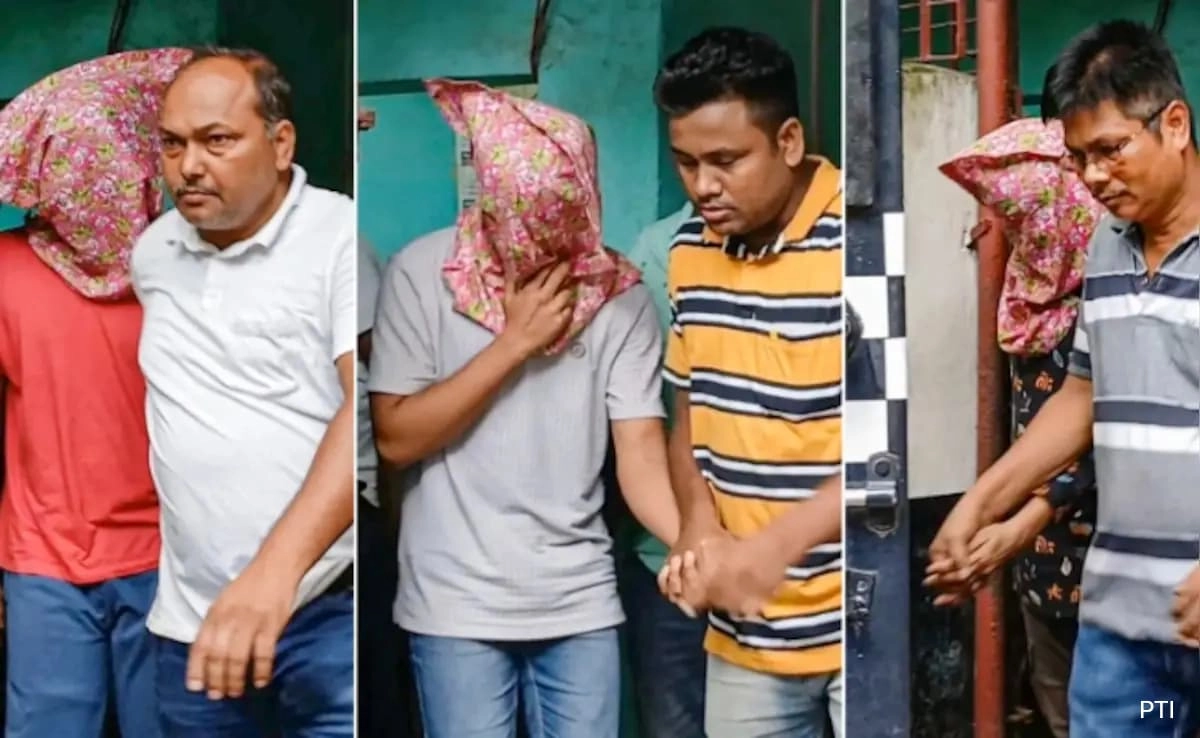
In a disturbing case that has drawn significant attention, a lawyer representing a student from Kolkata has made shocking allegations in court, claiming that the young woman was given an inhaler intentionally to facilitate her sexual assault. According to the lawyer, this inhaler was used to incapacitate the student, rendering her vulnerable and unable to defend herself against the heinous act. The gravity of the situation has raised profound questions about safety and the systemic failures that allow such acts of violence to occur in society.
The student’s ordeal highlights not only the immediate dangers faced by young women but also the broader societal issues surrounding gender-based violence. The lawyer’s assertion that the inhaler was a tool used to facilitate the crime reveals a calculated approach by the perpetrators, underscoring the need for heightened awareness and preventive measures. It raises alarms about the lengths to which individuals may go to exploit and harm others, particularly in environments that should be safe, such as educational institutions.
This case also underscores the importance of legal recourse and the role of the judiciary in addressing and rectifying such acts of violence. The court proceedings will likely delve into the specifics of the incident, shedding light on the evidence presented and the responses from the accused. As the legal process unfolds, it is crucial for the community to rally around the victim, ensuring she receives the support and justice she deserves. The incident serves as a somber reminder of the ongoing battle against sexual violence and the imperative for societal change to protect the most vulnerable among us.
Moreover, the implications of this case extend beyond the individuals directly involved; they resonate within the broader discourse on women’s rights and safety. As communities grapple with the realities of such crimes, there is a pressing need for educational programs that empower individuals to recognize warning signs and take action. The legal system must also adapt to ensure swift and decisive justice for victims of sexual violence, fostering an environment where such acts are neither tolerated nor overlooked. The Kolkata case serves as a wake-up call, urging society to confront and dismantle the structures that perpetuate violence against women.