In recent discussions surrounding the introduction of Zumba classes in schools across Kerala, a significant backlash has arisen from various community groups and organizations. These groups are expressing concerns that the high-energy dance fitness program, often associated with lively music and physical movement, could inadvertently lead to inappropriate behavior among students. They argue that such activities might create an environment conducive to misconduct, including serious incidents like violence or even murder, which they believe could stem from a lack of discipline and focus among the youth. The opponents of Zumba in schools emphasize that physical activities should prioritize safety and a structured approach to ensure that students are engaged in wholesome, educational pursuits rather than activities that could lead to chaos or moral degradation.
The opposition is rooted in deeper cultural and social apprehensions. Many community leaders argue that the vibrant nature of Zumba, while beneficial for physical fitness, may not align with the traditional values they wish to uphold within educational institutions. They express fears that the energetic atmosphere created by Zumba classes might encourage behaviors that stray from the disciplined environment they envision for students. Furthermore, some community members have gone as far as to label these gatherings as “parties where murders happen,” reflecting a stark anxiety about youth culture and the potential for negative influences that could arise from seemingly harmless activities.
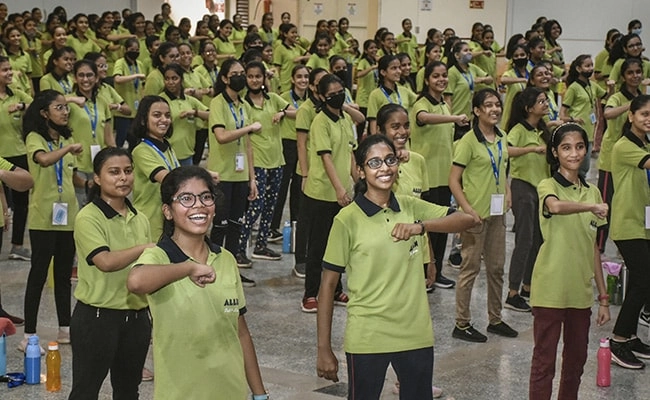
In contrast to these concerns, proponents of Zumba argue for the numerous benefits that such programs can offer to students. They highlight that Zumba promotes physical health, encourages teamwork, and provides a fun outlet for stress and anxiety, which can be particularly beneficial in today’s increasingly challenging educational environment. Advocates suggest that rather than banning Zumba, schools should focus on implementing guidelines and supervision to ensure that students can enjoy the activity safely and responsibly. They emphasize that with proper management, Zumba can be a positive addition to the school curriculum, fostering both fitness and social interaction among students.
As this debate unfolds, it raises critical questions about the role of physical education in schools and how it can be balanced with community values and concerns. The clash between traditional perspectives and modern fitness trends underscores the ongoing struggle to adapt educational practices to meet the evolving needs of students while respecting cultural sensibilities. Finding a middle ground that satisfies both sides may be essential to creating an inclusive and supportive environment for all students, allowing them to thrive physically, socially, and academically. The discourse surrounding Zumba in Kerala’s schools reflects broader societal tensions and highlights the need for open dialogue about youth engagement and education in a rapidly changing world.