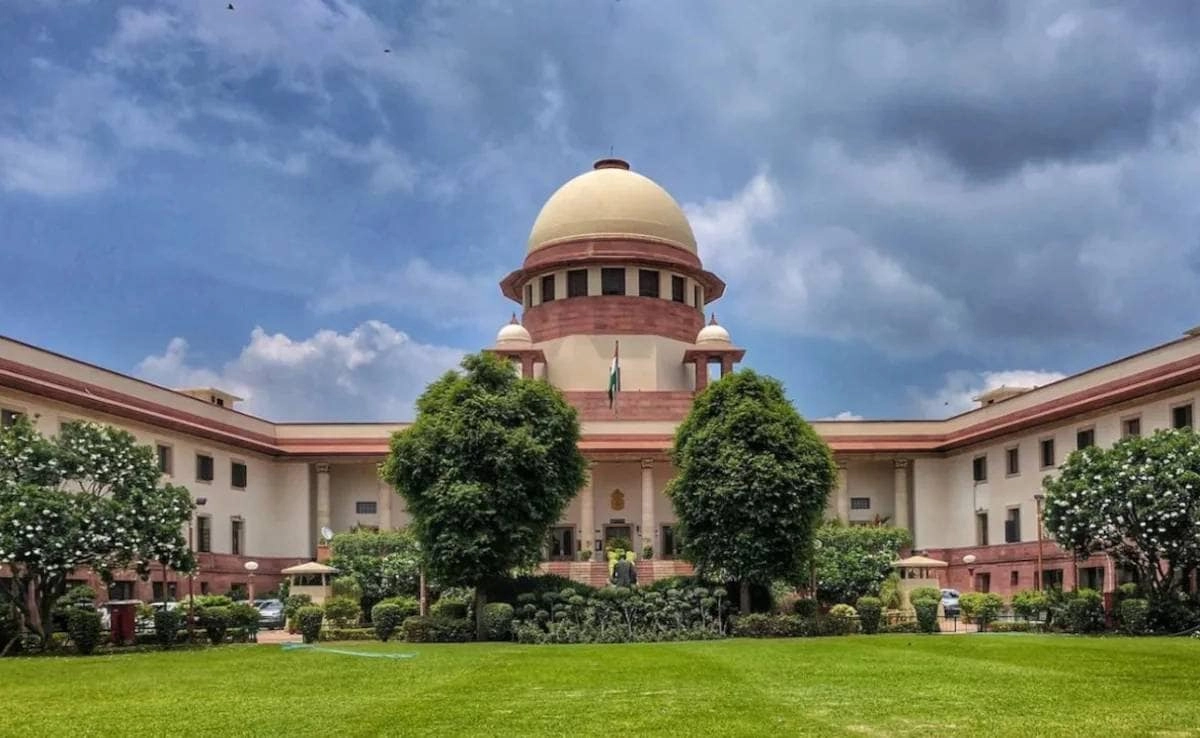
In a significant ruling, the Supreme Court of India has ordered a compensation of Rs 5 lakh to a man who faced undue delays in securing bail from a jail in Uttar Pradesh. The court’s decision underscores the importance of timely justice and the right to personal liberty, reflecting the judiciary’s stance on the need for efficient legal processes. The case highlights not only the individual’s plight but also raises broader concerns regarding the functioning of the prison system and the administration of justice in the state.
The man in question had been incarcerated for an extended period due to procedural delays that prevented him from obtaining bail. Despite fulfilling the necessary legal requirements, the bureaucratic inertia and inefficiencies within the system resulted in prolonged detention, which the Supreme Court deemed unacceptable. By granting compensation, the court has sent a clear message that the state is accountable for ensuring that individuals are not subjected to unnecessary hardship due to delays in the justice system.
Moreover, this ruling serves as a reminder of the fundamental rights enshrined in the Constitution, particularly the right to liberty and the right to a fair trial. The Supreme Court’s intervention in this matter emphasizes that individuals should not be punished by the system itself due to administrative failings. It also highlights the need for reforms within the judicial and correctional systems to prevent similar occurrences in the future.
The decision has been welcomed by legal experts and human rights advocates, who argue that it sets a precedent for addressing the issues of wrongful detention and judicial inefficiency. It reinforces the idea that individuals have the right to seek redress when their rights are violated, and the judiciary must remain vigilant in protecting those rights. Ultimately, the Supreme Court’s order is a significant step towards ensuring that justice is not only done but is seen to be done in a timely manner, safeguarding the principles of democracy and individual freedoms in India.