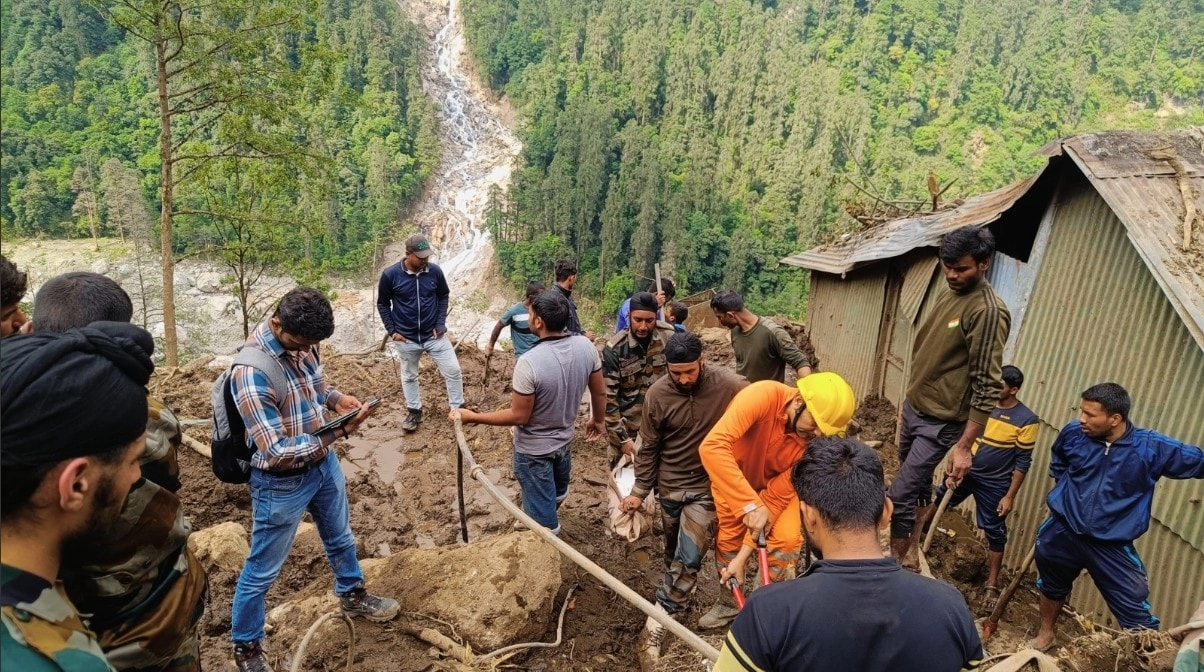
In a remarkable demonstration of modern technology’s life-saving potential, the Indian Army has successfully deployed drone technology during rescue operations following a devastating landslide in Sikkim. This incident, which occurred in a region known for its challenging terrain and unpredictable weather, highlighted the critical role that drones can play in emergency response efforts. With access to remote and often inaccessible areas made easier, the army’s use of drones not only enhanced the efficiency of the search-and-rescue operations but also ensured the safety of personnel involved in these high-risk missions.
The landslide, triggered by heavy rainfall, led to significant disruptions, burying roads and isolating communities. In such scenarios, time is of the essence, and the ability to quickly assess the situation from above proved invaluable. Drones equipped with high-resolution cameras and thermal imaging technology were deployed to survey the affected areas, allowing rescue teams to identify locations where people might be trapped under debris. This aerial reconnaissance provided critical situational awareness, enabling the army to strategize their ground operations more effectively.
Moreover, the integration of drones into rescue missions exemplifies a broader trend in the use of technology for disaster management. The Indian Army’s innovative approach not only speeds up the response time but also minimizes the risks faced by soldiers on the ground. As the drones relayed real-time data back to command centers, rescuers could prioritize their efforts based on the most pressing needs, ultimately saving more lives. The successful implementation of drone technology in Sikkim not only underscores its potential in future rescue operations but also sets a precedent for other regions facing similar challenges.
In conclusion, the use of drone technology in the Sikkim landslide rescue operation serves as a powerful reminder of how advancements in technology can significantly enhance humanitarian efforts. As the Indian Army continues to embrace such innovations, the potential for improved disaster response capabilities becomes increasingly evident. The integration of drones not only demonstrates a commitment to utilizing cutting-edge tools for saving lives but also reflects a forward-thinking approach to managing crises in challenging environments. This incident may pave the way for further exploration and adoption of drone technology in various fields, ultimately leading to more efficient and effective responses in emergencies across the globe.