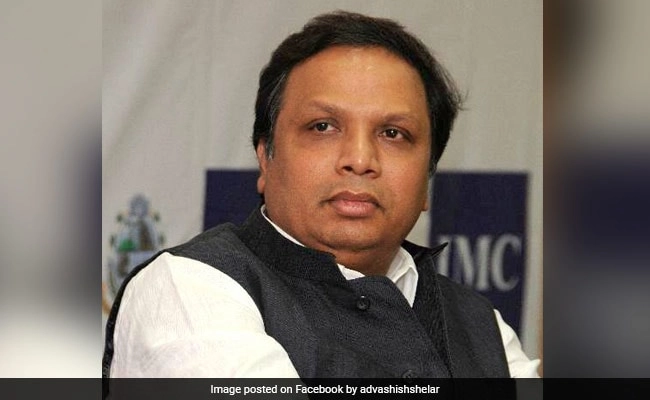
In a recent statement, a Maharashtra government minister clarified that while Marathi is the compulsory medium of instruction in schools across the state, Hindi does not share the same mandatory status. This announcement has sparked considerable discussion regarding the linguistic policies in Maharashtra’s educational system. The emphasis on Marathi as the primary language aims to preserve and promote the regional culture and heritage, ensuring that students are well-versed in their mother tongue. The minister’s comments underscore the importance of fostering a strong connection to local languages, which can enhance students’ understanding of their own cultural identity and history.
While Marathi holds a prominent place in the state’s educational framework, the role of Hindi is more flexible. The minister highlighted that schools have the option to include Hindi as an additional language, but it is not a requirement for all institutions. This approach allows for a diverse linguistic environment where students can learn multiple languages while prioritizing their regional language. The decision reflects a broader trend in which states across India are grappling with the balance between promoting local languages and accommodating national languages, such as Hindi and English.
The minister’s statement also raises questions about the implications for students and educators. For many, the ability to study in their mother tongue can significantly enhance comprehension and retention of knowledge. However, the lack of a mandatory Hindi curriculum might lead to concerns about students’ proficiency in a language that is widely spoken across India. As the nation becomes increasingly interconnected, the ability to communicate in Hindi can be seen as an asset in various professional and social contexts. Therefore, the challenge remains for educational policymakers to create a balanced curriculum that respects regional linguistic identities while also equipping students with the skills needed in a multi-lingual society.
In conclusion, the clarification regarding the status of Marathi and Hindi in Maharashtra’s schools reflects the state’s commitment to its linguistic heritage while also acknowledging the complexities of language education in India. As discussions continue, it will be essential for stakeholders to engage in dialogue about the best methods to promote multilingualism and ensure that students are prepared for a diverse and dynamic future.