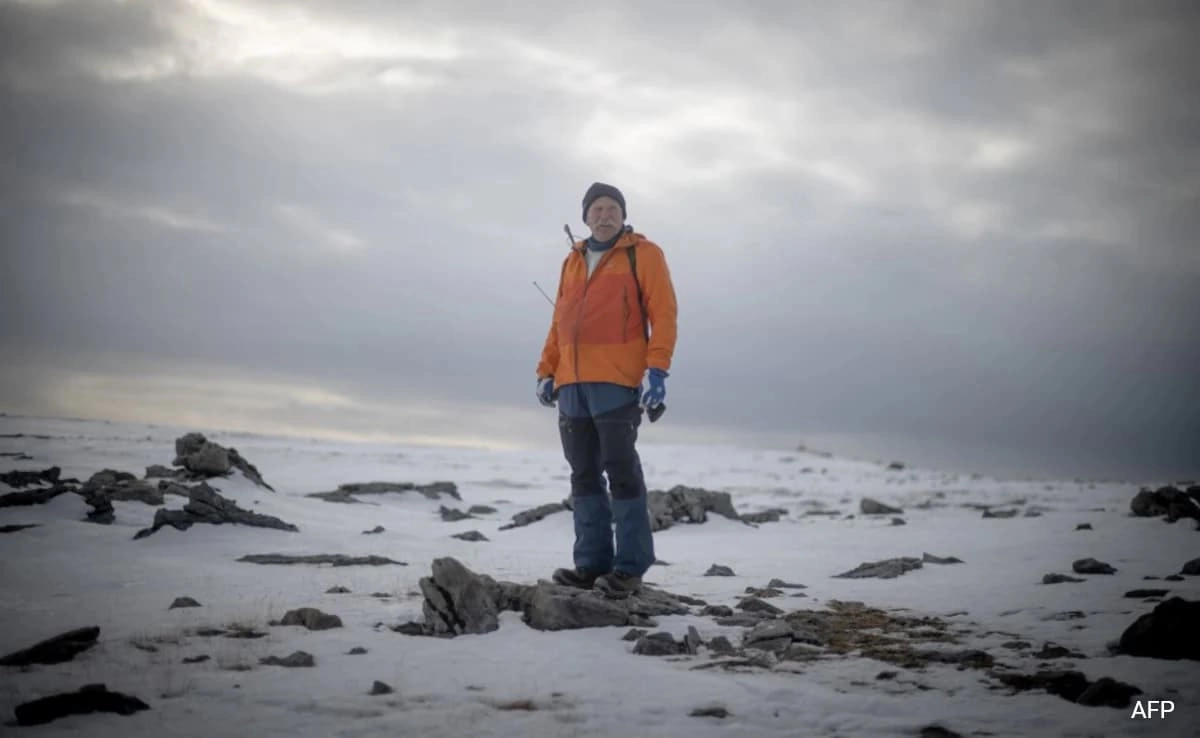
In the Arctic regions of Norway, meteorologists are witnessing firsthand the dramatic impacts of climate change. This unique geographic area serves as a critical barometer for global climate shifts, where rising temperatures and changing weather patterns are more pronounced than in many other parts of the world. As the Arctic ice caps continue to melt, scientists are able to observe the immediate effects on local ecosystems, wildlife, and human communities. This phenomenon not only affects the natural environment but also has broader implications for global weather patterns, sea levels, and climate systems.
The data collected by meteorologists in Norway’s Arctic is invaluable for understanding the complexities of climate change. They monitor temperature fluctuations, ice thickness, and snowfall patterns, providing essential insights into how quickly the Arctic is warming. For instance, the region has experienced an alarming increase in average temperatures, leading to shorter winters and longer summers. These changes disrupt traditional lifestyles for indigenous communities who depend on stable ice conditions for hunting and fishing. As the landscape transforms, so too do the cultural practices and livelihoods of the people who have called this region home for generations.
Furthermore, the melting ice caps are contributing to rising sea levels, which pose significant threats to coastal areas worldwide. Meteorologists play a crucial role in modeling these changes and predicting future trends, helping policymakers understand the urgency of climate action. The research conducted in Norway’s Arctic serves as a microcosm of the larger global challenges we face in combating climate change. By sharing their findings with the international community, these scientists are driving awareness and fostering collaborative efforts to address the environmental crisis.
As they continue their work in this fragile ecosystem, meteorologists in Norway’s Arctic are not just observing changes; they are advocating for urgent measures to mitigate the impacts of climate change. Their commitment to studying these transformations highlights the importance of science in shaping public policy and encouraging sustainable practices. The Arctic is often seen as a distant frontier, but the realities faced by its meteorologists serve as a crucial reminder that the effects of climate change are already here, and they demand our immediate attention and action.