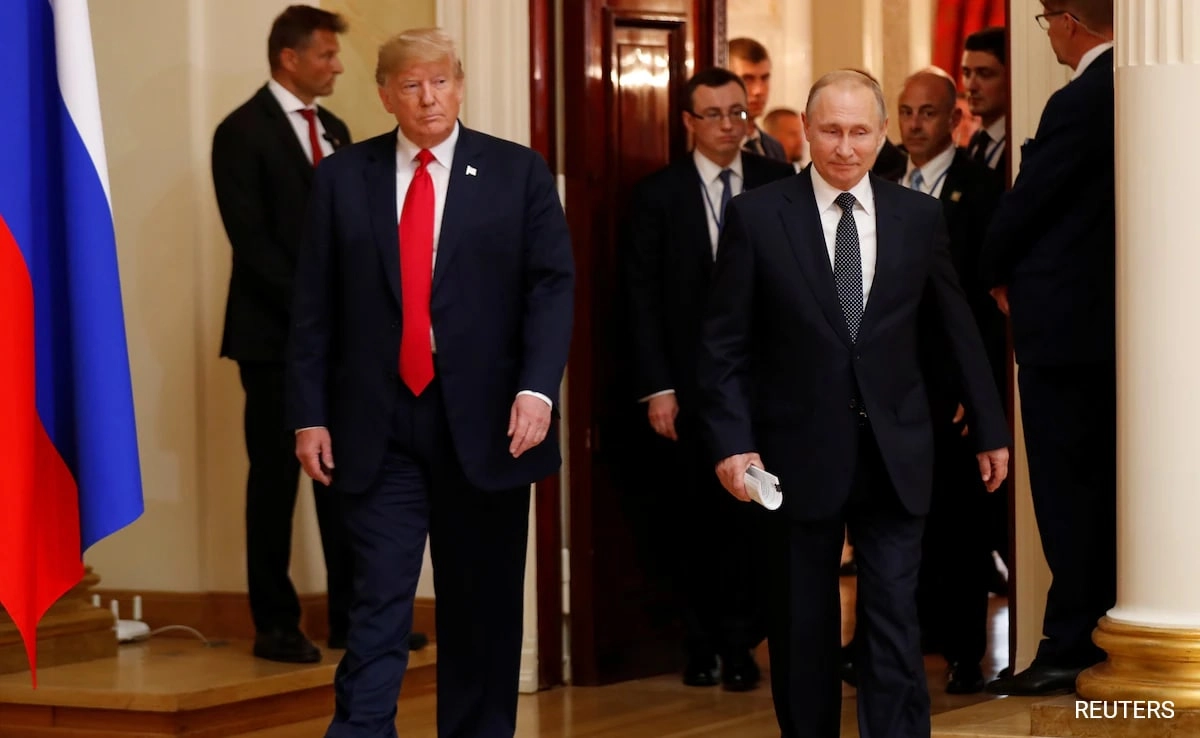
According to a Kremlin aide, Russian President Vladimir Putin and former U.S. President Donald Trump engaged in a significant phone conversation during which they discussed the ongoing conflict between India and Pakistan. This dialogue highlights the intricate dynamics of international relations and the roles that influential leaders can play in addressing regional tensions. The India-Pakistan conflict, which has persisted for decades, is rooted in a complex history of territorial disputes, particularly over the Kashmir region. Both nations possess nuclear capabilities, making any escalation in hostilities a matter of global concern.
The Kremlin aide emphasized that the conversation touched on various aspects of the conflict, reflecting both leaders’ awareness of the potential for instability in South Asia. Putin’s longstanding relationship with India, coupled with Trump’s previous administration’s strategic alliances, creates a unique framework for diplomatic engagement. The involvement of these two powerful leaders underscores the importance of collaborative efforts in resolving conflicts that threaten regional and global stability.
Moreover, this phone call signifies a continuing interest from both leaders in the geopolitical landscape of South Asia, where tensions between India and Pakistan can have far-reaching implications. The dialogue between Putin and Trump could potentially pave the way for increased dialogue between the two nations, fostering an environment in which peaceful negotiations can take precedence over military confrontations. As global leaders navigate the complexities of international diplomacy, the discussions surrounding the India-Pakistan conflict remain crucial in understanding the broader implications for peace and security in the region.
In the context of ongoing global challenges, the dialogue between such influential figures could serve as a catalyst for renewed efforts towards conflict resolution, emphasizing diplomacy over aggression. The need for constructive engagement in South Asia is more pronounced than ever, considering the historical animosities and the current geopolitical climate. Both leaders may recognize that their collaboration could not only help mitigate tensions but also encourage other nations to pursue peaceful resolutions to their disputes, ultimately contributing to a more stable international community.