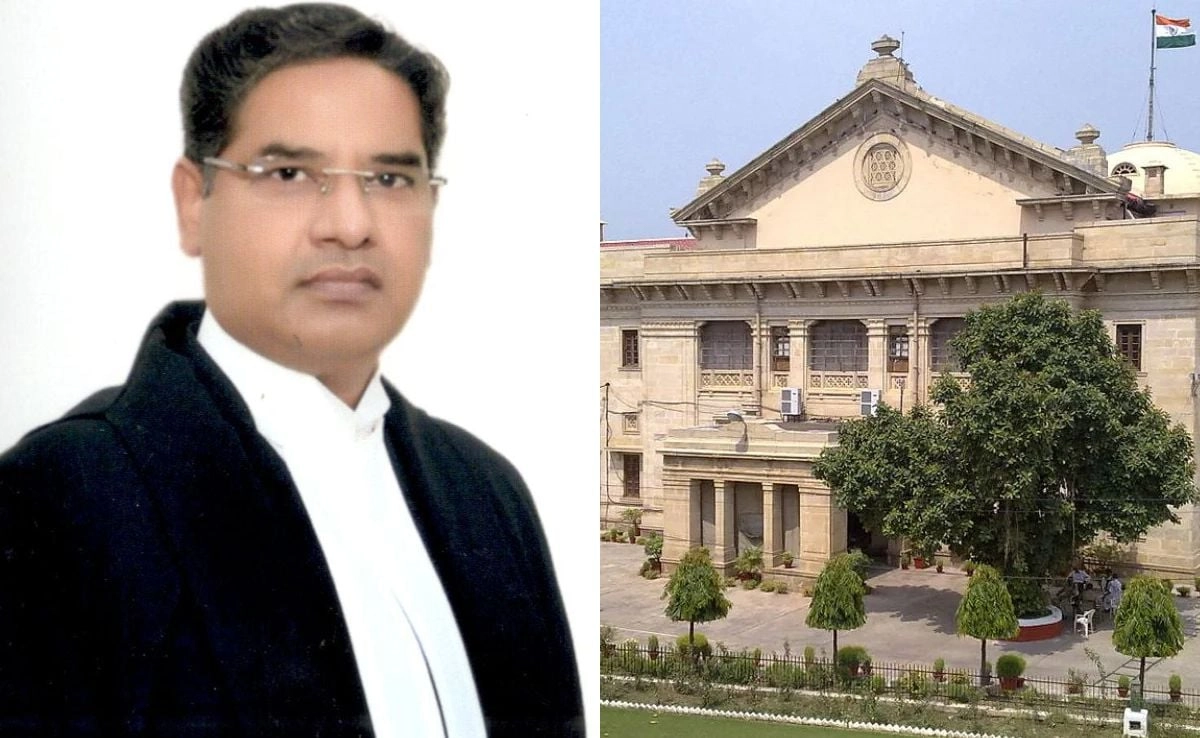
In a significant statement regarding the collegium system, Chief Justice of India N.V. Ramana emphasized the importance of judicial independence by asserting that judges must be free from external influences. His remarks come at a critical juncture in the ongoing debate over the appointment and transfer of judges in India, where the collegium system—comprised of senior judges selecting their peers—has faced scrutiny and calls for reform. The Chief Justice’s assertion underscores a fundamental principle of democracy: that the judiciary must operate without external pressures to ensure justice is administered fairly and impartially.
The collegium system, which was established to preserve the independence of the judiciary, has been both praised and criticized. Proponents argue that it protects judges from political interference, allowing for a more autonomous judiciary. Conversely, critics contend that it lacks transparency and accountability, with calls for a more structured and open process for judicial appointments. The Chief Justice’s remarks come at a time when various stakeholders, including legal experts and political figures, are advocating for a re-evaluation of how judges are appointed, highlighting the need to balance independence with accountability.
Chief Justice Ramana’s emphasis on the necessity for judges to be free resonates deeply within the context of ongoing discussions about judicial reforms in India. As the judiciary plays a pivotal role in upholding the rule of law, ensuring that judges are insulated from external pressures is crucial for maintaining public confidence in the legal system. His statement serves as a reminder that while reforms may be needed to enhance transparency in the collegium system, any changes must not compromise the core principle of judicial independence. This balance is vital for fostering a judiciary that not only upholds the law but also reflects the democratic values of fairness and justice.
The ongoing discourse around the collegium system and judicial appointments is indicative of a broader struggle to maintain the integrity of the judiciary in India. As the Chief Justice articulates the need for judicial freedom, it is essential for stakeholders across the spectrum to engage in constructive dialogue. By approaching the issue collaboratively, it may be possible to develop a framework that enhances both the independence of judges and the transparency of the appointment process. Ultimately, the goal should be to strengthen the judiciary while ensuring that it remains a bastion of justice in a democratic society.