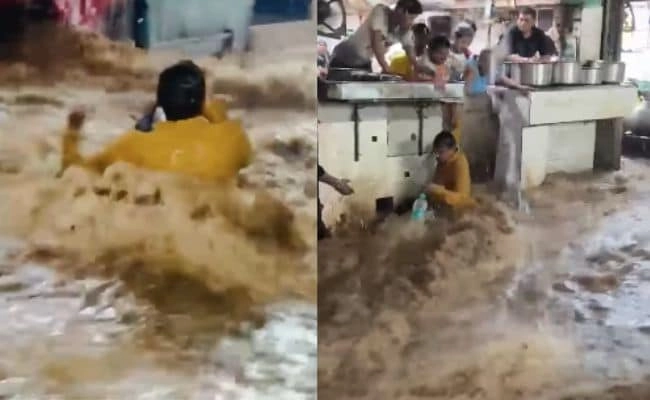
Mumbai, a bustling metropolis known for its vibrant culture and economic significance, is currently grappling with severe waterlogging as heavy rains continue to batter the city. The monsoon season in Mumbai often brings with it a host of challenges, and this year has been no exception. The unexpected downpour has led to significant water accumulation in low-lying areas, disrupting daily life for residents and commuters alike. Roads transformed into rivers have made travel increasingly difficult, with many neighborhoods facing prolonged inundation. The situation is exacerbated by the city’s aging drainage system, which struggles to cope with the sheer volume of rainwater, leading to widespread flooding.
As the forecast predicts more rain in the coming days, the situation is likely to worsen. Authorities are on high alert, urging residents to stay indoors where possible and to exercise caution if they must venture out. Public transport, particularly the local train services that are the lifeline of Mumbai, is feeling the impact of the heavy rains. Delays and cancellations are becoming commonplace, stranding thousands of commuters who rely on these trains to get to work and other essential destinations. The railway authorities are working diligently to manage the disruptions, but the combination of waterlogged tracks and operational challenges has made it a daunting task.
In response to the current crisis, the city administration is mobilizing resources to address the immediate needs of those affected by the flooding. Relief efforts are underway, with teams deployed to clear water from the streets and assist residents in the most impacted areas. Additionally, temporary shelters are being set up for those who have been displaced from their homes due to rising water levels. Community organizations are also stepping in to provide food and essential supplies to those in need. As Mumbai prepares for more rain, collaboration among government bodies, local organizations, and citizens will be crucial in navigating this challenging situation.
The resilience of Mumbai’s residents is commendable, as they deal with the adversities brought on by the relentless monsoon rains. However, this ongoing crisis serves as a stark reminder of the pressing need for infrastructure improvements to mitigate the effects of heavy rainfall in the future. Long-term solutions, such as enhancing drainage systems and adopting better urban planning strategies, will be essential in preventing recurring waterlogging issues. As the city faces this immediate challenge, it must also look ahead to create a more resilient urban environment that can withstand the impacts of climate change and extreme weather events.