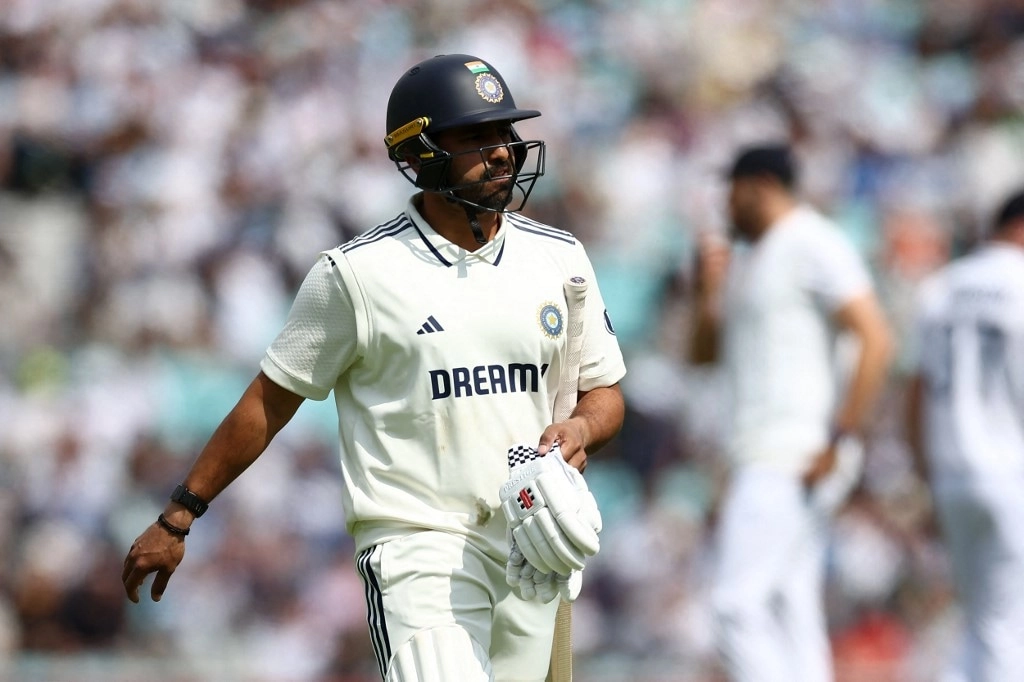
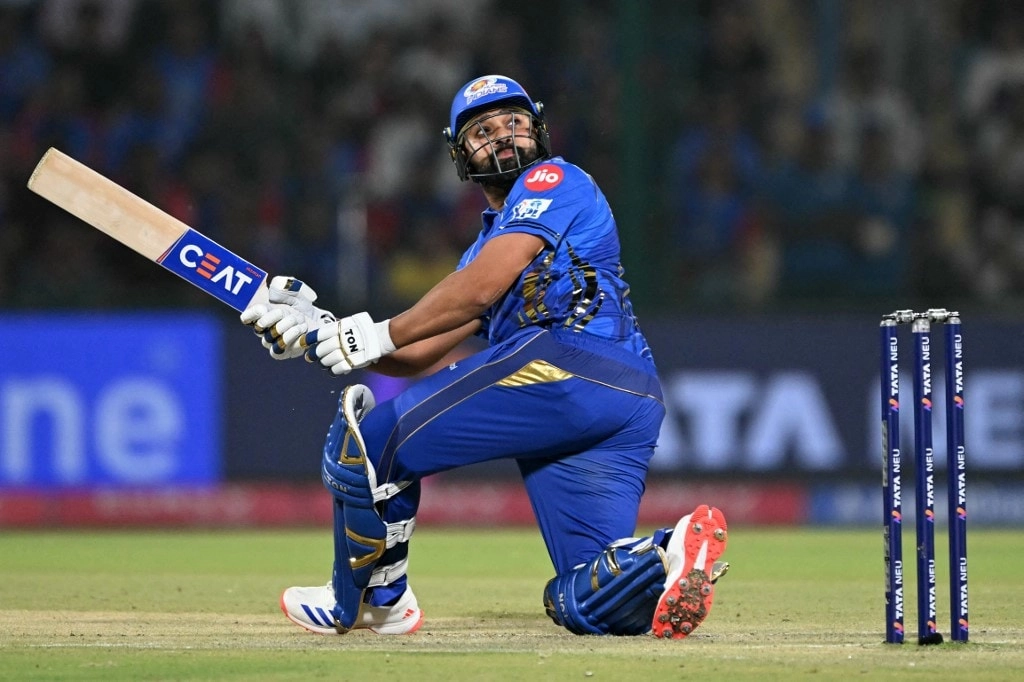
The Board of Control for Cricket in India (BCCI) recently addressed the speculation surrounding the exclusion of star players Jasprit Bumrah and KL Rahul from the leadership roles within the national cricket team. This decision has raised eyebrows among fans and analysts alike, leading to a flurry of discussions about the rationale behind it. In a statement, the BCCI clarified that the selection process for the captaincy involved consultations with a group of 15 to 16 individuals, including senior players, coaches, and selectors. This collective approach aimed to ensure that the best possible decision was made for the team’s future.
The BCCI’s response highlights the complexities and intricacies involved in team selection, especially when it comes to leadership positions. The board emphasized that the decision was not a reflection of the individual capabilities of Bumrah or Rahul, both of whom are accomplished players with significant contributions to Indian cricket. Instead, the focus was on finding the right fit for the captaincy role based on the team’s current dynamics and future objectives. This choice underscores the importance of collective decision-making in high-stakes scenarios, particularly in a sport as scrutinized as cricket.
Moreover, the BCCI’s statement serves to reassure fans that the selection process is thorough and considers various factors beyond mere performance statistics. It acknowledges the input from a diverse group of stakeholders, ensuring that the decision is well-rounded and serves the best interests of the team. Bumrah and Rahul remain valuable assets to the squad, and their exclusion from captaincy does not diminish their roles on the field. The board’s transparency in this matter reflects its commitment to maintaining trust and clarity with supporters, ensuring that the team’s direction aligns with its long-term vision for success.
As Indian cricket prepares for upcoming challenges, the BCCI’s decision-making process will continue to be closely watched. The emphasis on collaborative leadership may pave the way for a more cohesive team environment, where every player’s strengths are utilized effectively. Fans and experts alike will be keen to see how this decision impacts the team’s performance in future matches, particularly in high-pressure situations where leadership is crucial. Ultimately, the BCCI’s approach may redefine how captaincy is viewed in the context of team dynamics and strategic planning in cricket.