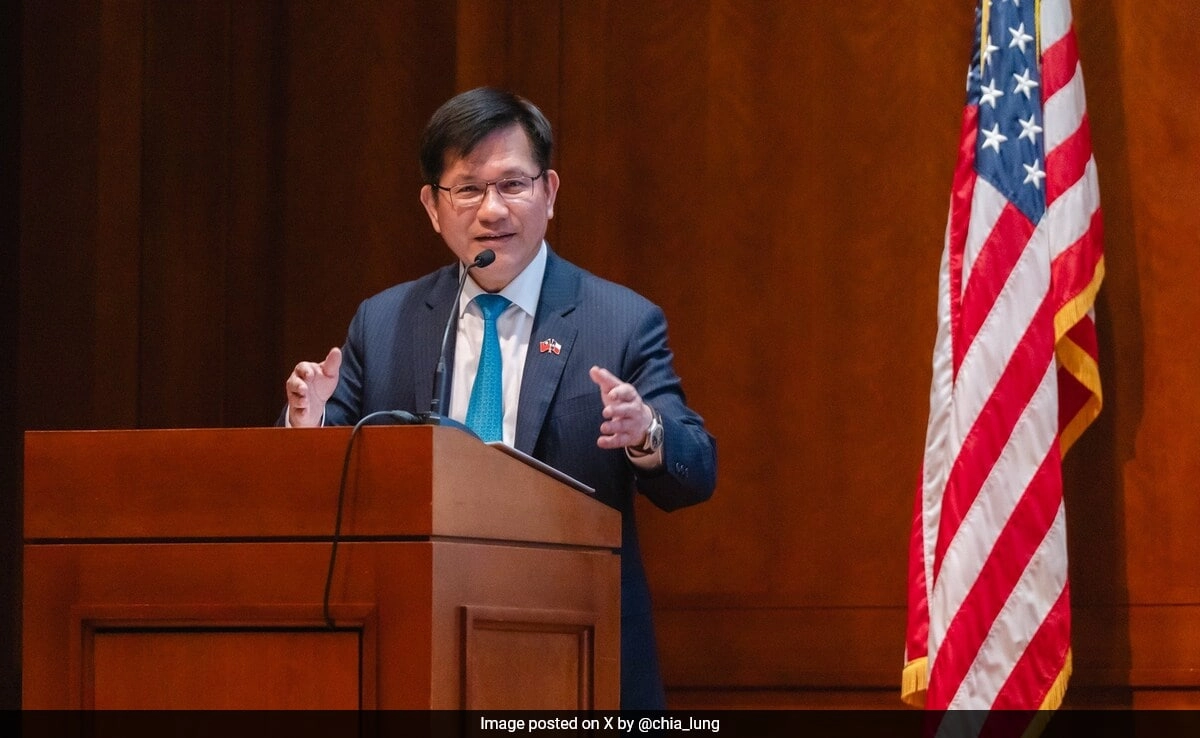
In a recent exchange that underscores the ongoing tensions between China and Taiwan, Chinese officials have labeled Taiwan’s status as a sovereign nation as “ignorant.” This comment was directed toward Taiwan’s Foreign Minister, who has been vocal in asserting the island’s right to self-determination and its status on the global stage. The remark reflects China’s long-standing position that Taiwan is not an independent country but rather a part of its territory, a stance that has been a source of significant diplomatic friction between Beijing and Taipei for decades.
The term “ignorant” not only reveals China’s frustration with Taiwan’s efforts to gain international recognition, but it also highlights the complexities of cross-strait relations. While Taiwan operates with its own government, military, and constitution, the international community is often caught in a diplomatic balancing act. Many countries do not formally recognize Taiwan as a separate nation due to pressure from China, which views any acknowledgment of Taiwan’s independence as a direct challenge to its sovereignty. This situation complicates Taiwan’s aspirations to participate in global organizations and engage with other nations on various fronts.
Taiwan’s Foreign Minister has reiterated the island’s commitment to maintaining its democratic governance and its right to engage with the world as a separate entity. This assertion is not merely about political identity; it encompasses broader issues of human rights, self-governance, and the desire for autonomy that many Taiwanese citizens support. The ongoing dialogue, or lack thereof, between Taiwan and China illustrates the entrenched divisions that exist, with each side holding firm to its respective narrative. As Taiwan continues to assert its identity and seek greater international presence, the friction with China is likely to persist, shaping the geopolitical landscape in East Asia.
In summary, the exchange between Chinese officials and Taiwan’s Foreign Minister serves as a reminder of the delicate and contentious nature of cross-strait relations. The naming of Taiwan as a country remains a flashpoint in international diplomacy, with implications that extend beyond the region. As both sides navigate this complex relationship, the quest for recognition and autonomy will continue to be at the forefront of Taiwan’s foreign policy efforts. The situation remains dynamic, with potential ramifications for regional stability and international alliances as global powers choose their positions in this ongoing dispute.