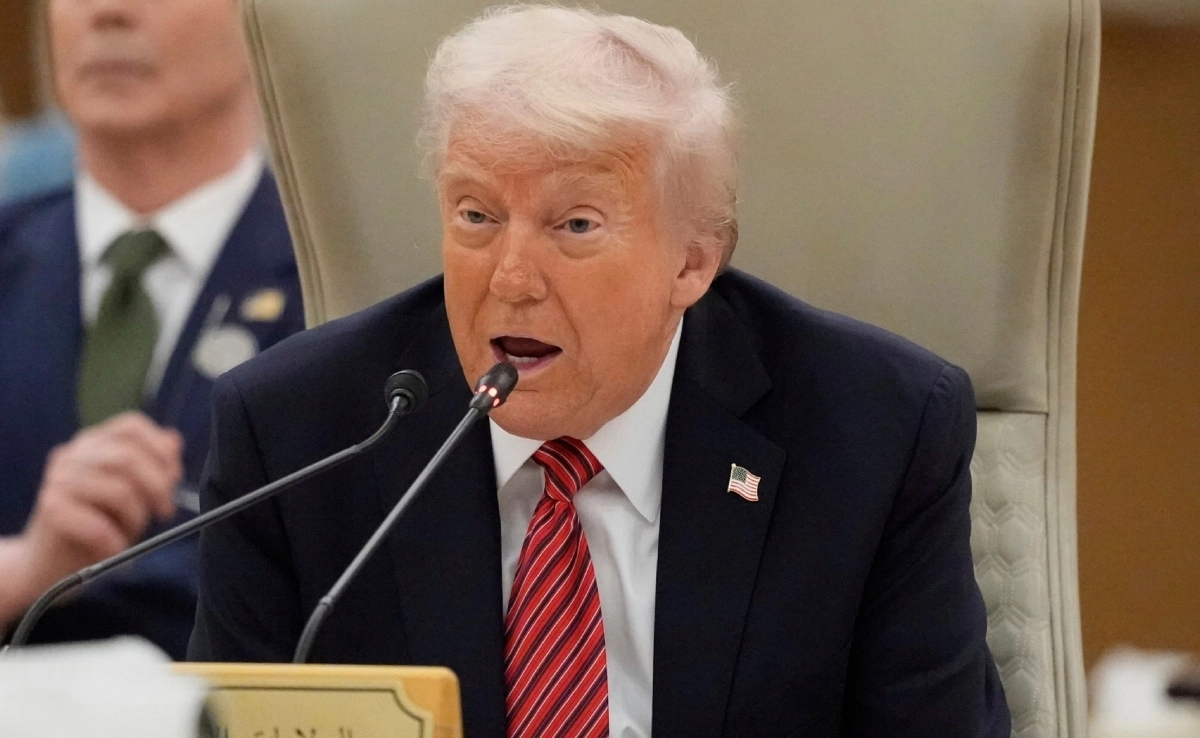
Former President Donald Trump’s proposed legislation, often referred to as the “One Big Beautiful Bill,” has sparked significant discussion regarding its implications for various sectors of the economy, particularly in relation to taxes on remittances. This initiative aims to impose taxes on money sent back home by expatriates to their families, a move that could profoundly impact millions of Indian families who rely on these funds for their livelihood. The Indian diaspora is one of the largest in the world, and remittances play a crucial role in supporting not just individual households but also contributing to the broader Indian economy.
The proposed tax structure could lead to a substantial financial burden on those who send money back to India. With many Indian workers abroad sending home a significant portion of their earnings, the added tax could reduce the amount of money that reaches families in need. This could impact their ability to afford essential services such as education and healthcare, exacerbating existing economic challenges faced by many in India. The remittance flow to India is already substantial, often exceeding foreign direct investment, and any tax on this income could lead to a decline in the overall financial support that families receive.
Moreover, the implications of taxing remittances extend beyond individual families. The overall economy of India could feel the repercussions as reduced remittance inflows could lead to a decrease in consumer spending, directly affecting local businesses and services that depend on this financial support. Moreover, the policy could also incentivize individuals to find alternative methods to send money home, potentially leading to an increase in informal channels that evade taxation and regulation. This scenario could not only undermine the intended benefits of the tax but also create additional challenges for both governments in managing and tracking remittance flows.
As the global economy continues to evolve, the impact of such policies could also provoke discussions around the ethical considerations of taxing remittances. Many argue that these funds represent hard-earned money that individuals have worked for abroad, and taxing them could be seen as a disincentive for labor migration. The potential fallout from the “One Big Beautiful Bill” could lead to a reevaluation of policies aimed at supporting expatriates and their families, emphasizing the need for a balanced approach that considers both the economic implications and the welfare of individuals who contribute to their home countries through remittances.