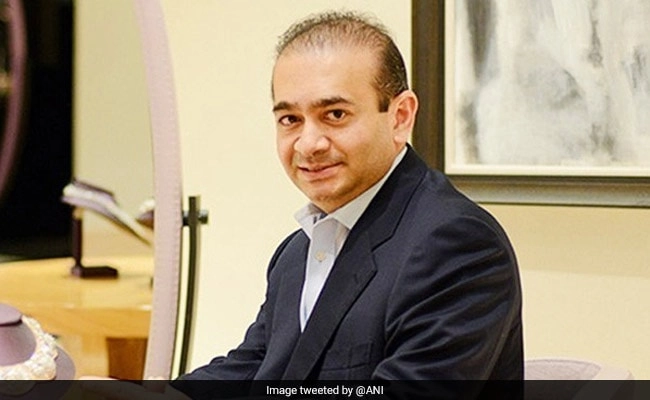
Nirav Modi, the fugitive diamond merchant wanted in India for his alleged involvement in a massive bank fraud case, has faced another setback in his ongoing legal battles. A London court has once again rejected his petition for bail, as stated by the Central Bureau of Investigation (CBI). This decision comes as the Indian authorities continue their efforts to secure his extradition to face charges related to a multimillion-dollar scam involving the Punjab National Bank (PNB). Modi is accused of orchestrating a complex scheme that defrauded the bank through a series of fraudulent letters of undertaking, resulting in significant financial losses.
The rejection of Modi’s bail application underscores the severity of the charges against him and reflects the court’s view on the risks associated with granting him release. Prosecutors have argued that he poses a flight risk due to his previous attempts to evade justice, which include fleeing to the United Kingdom after the allegations came to light. The court’s decision highlights the ongoing challenges faced by Modi as he navigates the legal system while fighting extradition. His case has attracted international attention, particularly given the scale of the financial fraud and its implications for the banking sector in India.
As the legal proceedings continue, the CBI remains steadfast in its pursuit of justice for the victims of Modi’s alleged fraudulent activities. The agency has been working closely with UK authorities to expedite the extradition process, emphasizing the need for accountability in high-profile financial crimes. The outcome of Modi’s case could set significant precedents for similar cases involving financial fraud and the international dimensions of such crimes. As the situation unfolds, it remains to be seen how Modi will respond to the court’s ruling and what steps he may take in his ongoing fight against extradition to India.