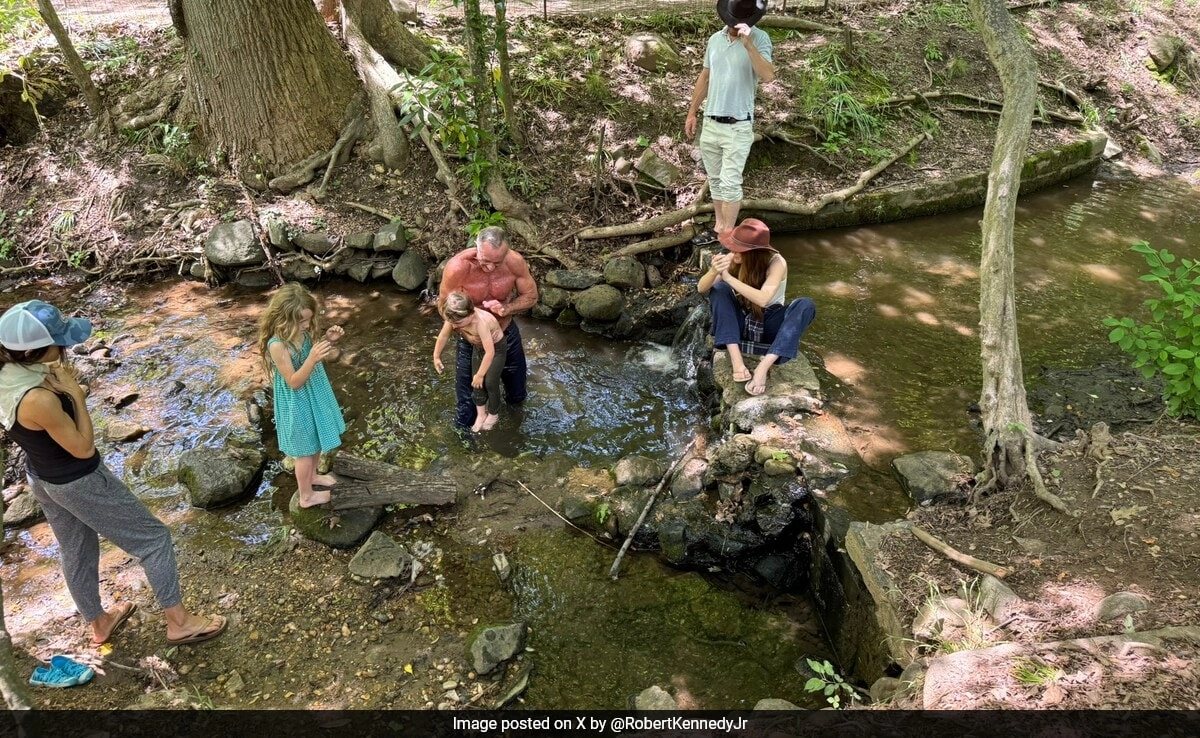
Robert F. Kennedy Jr. has come under fire for a controversial decision to swim in the polluted waters of Rock Creek, a river that flows through Washington, D.C. The incident, which involved his grandchildren, has sparked outrage among environmentalists and public health advocates alike. Critics argue that swimming in sewage-filled waters poses significant health risks, particularly for children, who are more susceptible to waterborne illnesses. The Rock Creek watershed has long been plagued by pollution, making such recreational activities highly concerning.
Kennedy’s actions have been criticized not just for the potential health implications but also for sending a troubling message about environmental stewardship. As a prominent figure in the environmental movement, his choice to swim in contaminated waters raises questions about personal responsibility and the seriousness with which he takes the environmental issues he often speaks out against. Many argue that leaders should set a positive example, especially when it comes to public health and environmental safety.
In response to the backlash, some of Kennedy’s supporters have defended his actions, claiming that he was simply enjoying a day with his family and that personal experiences can sometimes serve as a wake-up call to the public regarding environmental issues. However, this rationale has not mitigated the criticism, as the stark reality of pollution in Rock Creek remains a pressing concern. The incident highlights the ongoing debate about the state of America’s waterways and the need for stronger regulatory measures to ensure public health and safety.
As conversations around environmental policy and public health continue, Robert F. Kennedy Jr.’s swimming in Rock Creek will likely serve as a focal point for discussions about the intersection of personal choices and broader environmental issues. The backlash he faces underscores the importance of accountability for public figures, particularly those who advocate for environmental protection. In a time when climate change and pollution are at the forefront of global discourse, actions that contradict one’s advocacy can have lasting repercussions on public perception and credibility.