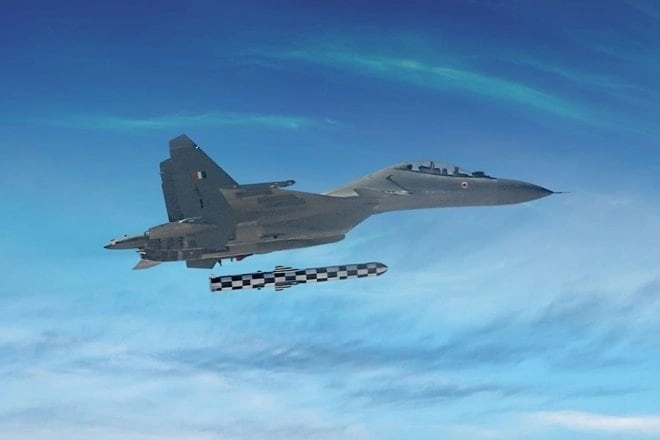
The Indian Air Force (IAF) conducted a significant operation targeting Karachi’s Malir Cantonment, a revelation that has garnered considerable attention in military circles and among strategic analysts. This operation, known as Operation Sindoor, was not just a routine military exercise but a meticulously planned strike aimed at a key military installation in Pakistan. The implications of this operation extend beyond the immediate tactical outcomes; it highlights the evolving dynamics of aerial warfare and the strategic calculus between India and Pakistan.
Malir Cantonment serves as a crucial base for the Pakistan Armed Forces, and the IAF’s decision to strike there underscores the increasing sophistication of India’s military capabilities. The operation was characterized by precision and strategic intent, showcasing the IAF’s ability to penetrate deep into enemy territory and target critical infrastructure. Such actions signal a shift in India’s defense posture, which has been increasingly focused on deterrence and the ability to respond decisively to threats. The successful execution of Operation Sindoor demonstrates not only the IAF’s operational readiness but also serves as a message to adversaries regarding India’s commitment to safeguarding its national interests.
Moreover, the revelation of this operation raises questions about the broader geopolitical landscape in South Asia. The implications of such military actions can lead to escalations in tensions between India and Pakistan, necessitating careful diplomatic engagement to manage potential fallout. Analysts suggest that while military capability is crucial, the importance of dialogue and conflict resolution cannot be overstated. The operation could serve as a catalyst for renewed discussions on security and stability in the region, emphasizing the need for both nations to find common ground despite their historical differences.
As the narrative surrounding Operation Sindoor unfolds, it is essential to consider the operational lessons learned and the strategic shifts that may arise from such significant military engagements. The Indian Air Force’s ability to carry out complex operations with precision reflects a growing confidence in its capabilities, reinforcing India’s position as a regional power. In the context of ongoing military modernization and evolving defense strategies, the IAF’s actions will likely influence future military planning and preparedness in both India and Pakistan.
In conclusion, the revelations surrounding the Indian Air Force’s strike on Malir Cantonment are indicative of the changing nature of warfare in the region. Operation Sindoor not only highlights the operational capabilities of the IAF but also serves as a reminder of the intricate balance of power in South Asia. As both nations navigate this complex landscape, the emphasis on military preparedness must be complemented by diplomatic efforts to ensure that such operations do not lead to unintended escalations in conflict. The future of India-Pakistan relations may well hinge on how both countries interpret and respond to such military actions.