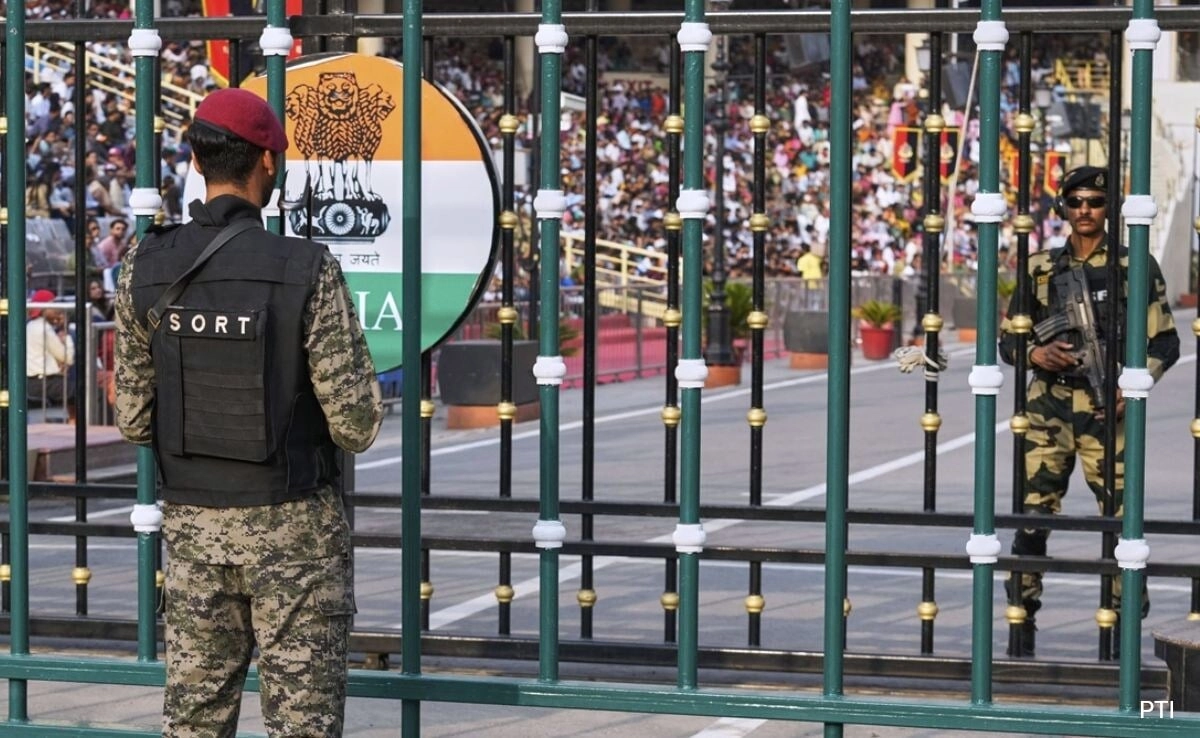
In a recent escalation of tensions along the India-Pakistan border, the Indian Army has undertaken a series of targeted strikes against terrorist positions in Pakistan. This military operation has drawn significant attention, not only for its strategic implications but also for the political reactions it has generated within India. The Congress party has been vocal in its response, emphasizing the importance of national unity in the face of external threats. Leaders from the party have reiterated that political differences should be set aside when it comes to national security, advocating for a collective stance against terrorism. This call for unity is particularly poignant given the historical context of India-Pakistan relations, which have been marked by conflict and a persistent struggle against cross-border terrorism.
The Congress party’s emphasis on unity reflects a broader sentiment in Indian society, where the public is increasingly rallying around the armed forces during challenging times. The military’s decisive action against terrorist targets is seen as a necessary measure to ensure the safety and security of Indian citizens. Political leaders from various parties have acknowledged the sacrifices made by the armed forces and the importance of a united front against terrorism. This moment serves as a reminder of the critical role that political unity plays in strengthening national resolve, especially when faced with threats that seek to undermine the stability of the region.
Moreover, the operation has reignited discussions on defense and security policies in India. While the government is firm in its stance against terrorism, there are calls for a more comprehensive approach that includes diplomatic efforts alongside military action. The Congress party, while supporting the military action, has also stressed the need for a long-term strategy that addresses the root causes of terrorism and fosters peace in the region. This perspective highlights the complexity of the situation, where military might must be balanced with diplomatic initiatives to achieve lasting stability. In this context, the call for unity is not just about rallying support for military operations, but also about fostering a collaborative approach to resolve the underlying issues that fuel conflict.
As the situation evolves, it remains critical for Indian political leaders to navigate the delicate balance between national security and political discourse. The Congress party’s reiteration of unity amidst military action underscores a crucial moment in Indian politics, where the emphasis on collective strength could potentially lead to more cohesive policies that address both immediate threats and long-term peace initiatives. The response to the Indian Army’s operations against terrorist targets reflects a national sentiment that transcends party lines, reinforcing the idea that unity is paramount in safeguarding the nation’s interests. As India continues to confront the challenges posed by terrorism, the hope is that this call for unity will translate into effective and sustained efforts towards achieving peace and security in the region.