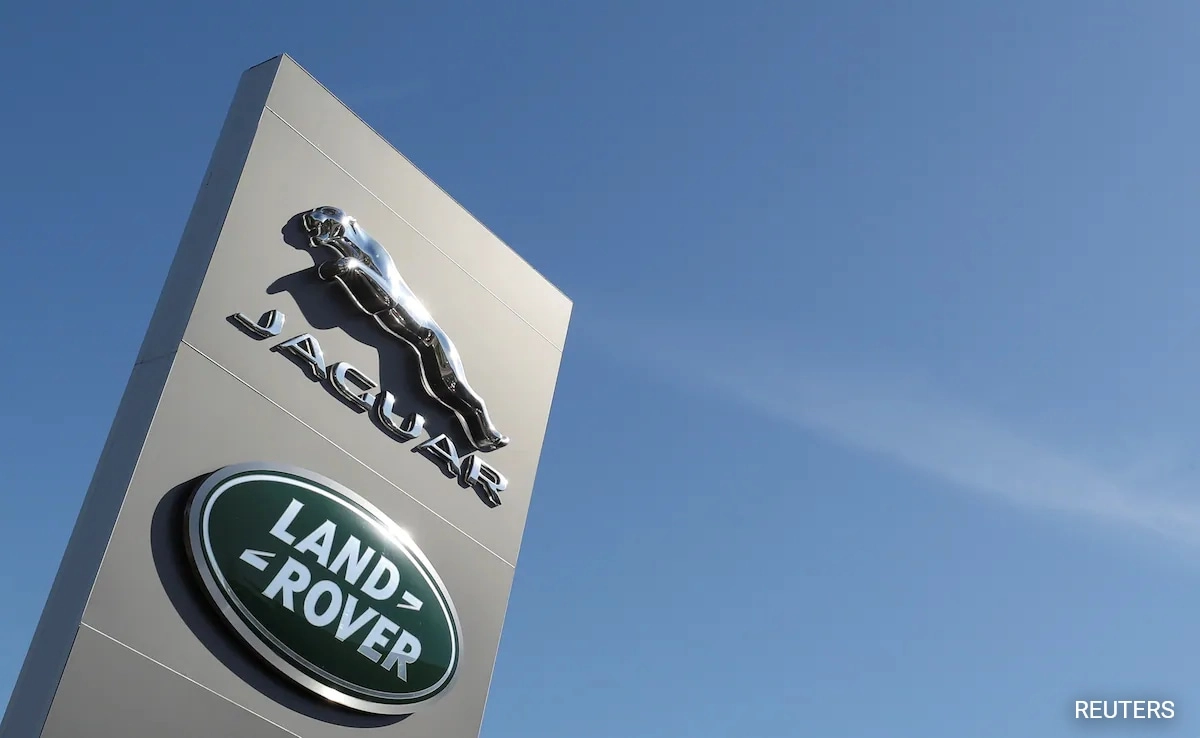
Jaguar Land Rover has recently announced the resumption of its car exports to the United States, marking a significant milestone for the luxury automotive brand. This development comes after a period of disruption, largely attributed to supply chain challenges and market fluctuations that have impacted the global automotive industry. The decision to restart exports to the U.S. is seen as a strategic move to reestablish the brand’s presence in one of its most important markets, where demand for luxury vehicles has remained strong despite economic uncertainties.
The company’s export operations to the U.S. had faced interruptions due to various factors, including the ongoing semiconductor shortage that affected many automotive manufacturers worldwide. By resuming these exports, Jaguar Land Rover aims to not only replenish its inventory but also to capitalize on the growing consumer interest in electric and hybrid vehicles, a segment in which the brand has been making significant strides. With new models being introduced, the company is keen to attract environmentally-conscious buyers seeking premium options.
Jaguar Land Rover’s commitment to innovation and sustainability is evident in its plans for the future. The company is focused on enhancing its electric vehicle offerings, aiming to convert a significant portion of its lineup to electric by the coming years. The restart of exports to the U.S. is an integral part of this broader strategy, allowing the brand to showcase its latest advancements and reinforce its position in a highly competitive market. As the automotive landscape continues to evolve, the ability to respond swiftly to changing consumer preferences is crucial for maintaining relevance and driving sales.
This renewed focus on the U.S. market underscores Jaguar Land Rover’s resilience in navigating the challenges posed by the global automotive landscape. By prioritizing the export of its vehicles, the company not only seeks to stabilize its operations but also to enhance its brand visibility and consumer engagement in a lucrative market. As the company moves forward, it will be interesting to see how it balances traditional luxury with the demands of modern automotive trends, particularly in the realm of sustainability and technological integration.