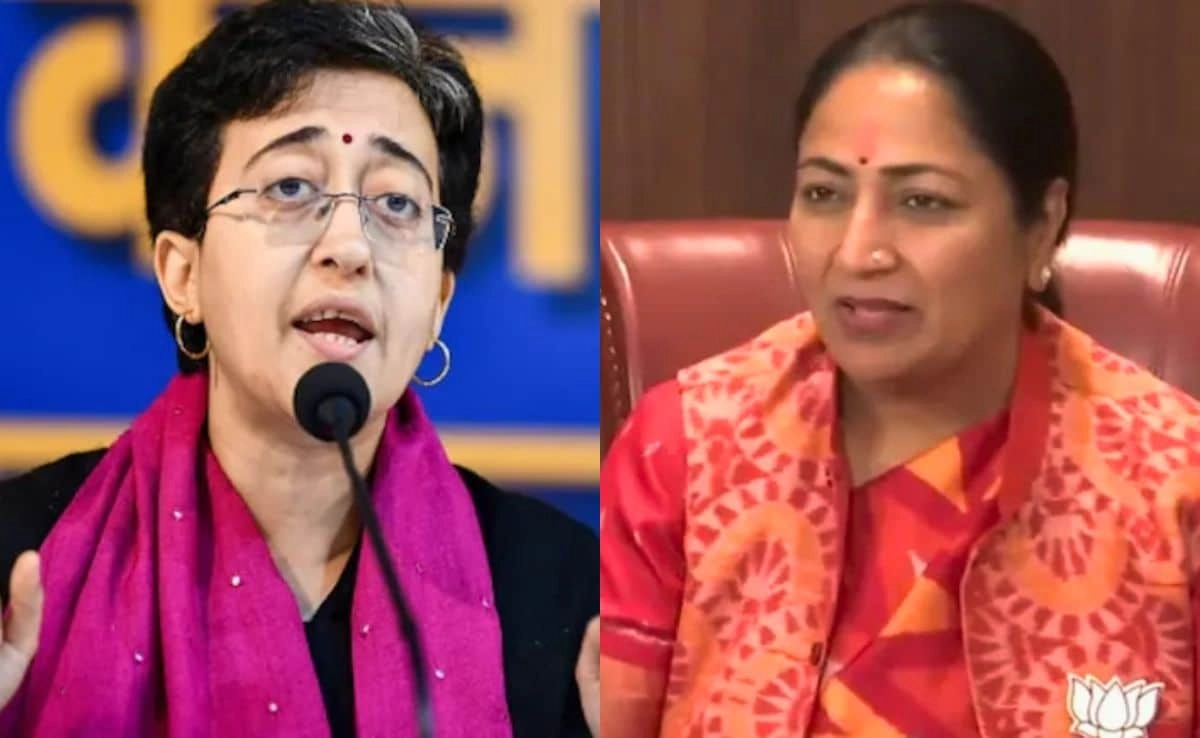
The Aam Aadmi Party (AAP) has strongly criticized the Delhi Bharatiya Janata Party (BJP) for what it describes as a lack of preparedness in dealing with the issues facing the capital. The term “4-engine,” which the BJP has used to refer to its governance model, has come under fire from AAP leaders who argue that this model has not effectively addressed the pressing challenges within the city. AAP representatives have pointed to various failures in governance, suggesting that the BJP’s leadership has not met the expectations of Delhi’s residents. The criticism is rooted in a broader discourse about accountability and the performance of political parties in urban governance, especially in a city as complex and populous as Delhi.
In response to the AAP’s allegations, Delhi BJP leader Rekha Gupta has defended the party’s record and dismissed the claims of unpreparedness. Gupta contends that the BJP’s governance approach has been comprehensive and responsive to the needs of the citizens. She argues that the “4-engine” model has been instrumental in driving development and addressing the multifaceted issues that arise in a bustling metropolis. Gupta’s rebuttal reflects a common political tactic of framing criticisms from opposition parties as politically motivated rather than grounded in reality. This exchange highlights the ongoing political rivalry between the AAP and BJP, particularly as both parties seek to solidify their positions ahead of upcoming electoral contests.
The back-and-forth between AAP and the BJP underscores the heightened political tensions in Delhi, where both parties are vying for public support. As they trade barbs, the citizens of Delhi are left to navigate the implications of these political dynamics on their everyday lives. Issues such as infrastructure, public safety, and social services are at the forefront of this political debate, and how effectively each party can address these concerns will likely play a crucial role in shaping their electoral prospects. The ongoing dialogue between AAP and BJP not only reflects their respective governance philosophies but also illustrates the broader challenges of urban management in a rapidly changing environment.
As the political landscape evolves, the residents of Delhi will be watching closely to see which party can translate their rhetoric into tangible results. The AAP’s criticism of the “4-engine” model may resonate with voters who feel that their needs are not being adequately addressed, while Gupta’s defense of the BJP may appeal to those who believe in the party’s vision for development. Ultimately, the effectiveness of their responses to these challenges will determine their standing in the eyes of the electorate and could significantly influence the future trajectory of governance in Delhi.