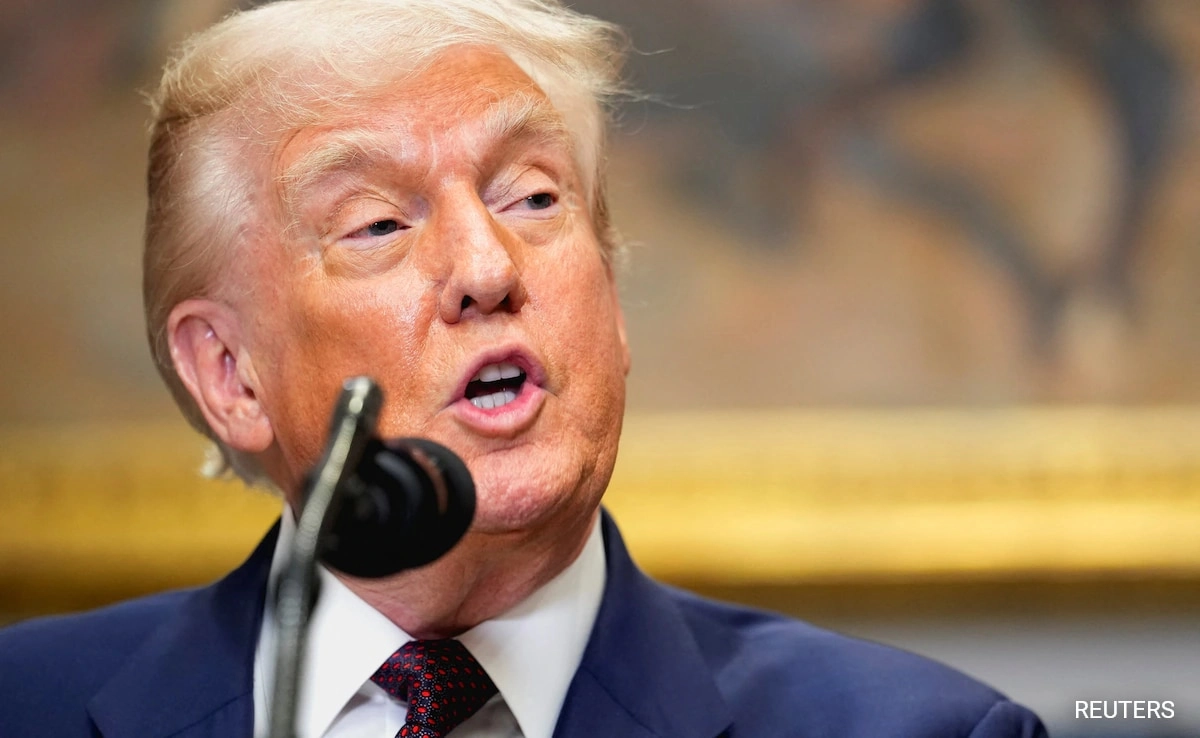
The White House is reportedly pushing for significant budget cuts to various law enforcement agencies across the United States. This move comes amid ongoing discussions about reallocating resources within the federal budget, particularly in light of rising concerns regarding law enforcement practices and the effectiveness of current funding allocations. The administration is keen on re-examining the priorities of federal spending, particularly in relation to public safety and community welfare.
Proponents of the proposed cuts argue that reallocating funds could lead to a more equitable distribution of resources, favoring social services, education, and community programs over traditional law enforcement. This shift in focus aims to address the root causes of crime, such as poverty and lack of access to education, rather than solely relying on police presence to maintain public safety. Critics, however, argue that reducing budgets for law enforcement could undermine public safety and hinder officers’ ability to effectively combat crime, especially in areas with significant safety concerns.
The debate surrounding these budget cuts reflects broader national conversations about policing reform and community relations. As cities across the nation grapple with issues of systemic racism and police accountability, the Biden administration is advocating for a more holistic approach to community safety. By promoting investments in mental health services, housing, and education, the White House aims to create safer environments through proactive measures rather than reactive policing. The implications of these budgetary decisions could have a lasting impact on the future of law enforcement and community relations in the United States.
As the discussion unfolds, stakeholders on both sides of the aisle are weighing in, highlighting the complexities of balancing public safety with the need for reform. The outcome of this budget proposal may set a precedent for how law enforcement is funded and structured in the years to come. With the nation at a crossroads, the decisions made by the White House could reshape not only the operational capabilities of law enforcement but also the broader social fabric of American communities.