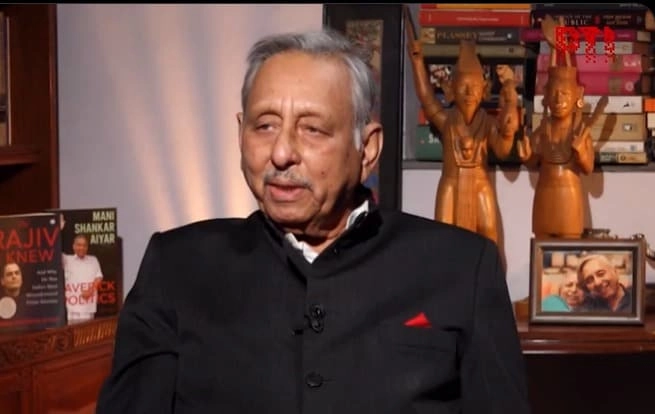
In a recent statement that stirred controversy, Mani Shankar Aiyar, a senior Congress leader, connected the scenic town of Pahalgam in Jammu and Kashmir to the historical issues stemming from the Partition of India in 1947. Aiyar’s remarks suggest that the problems faced in regions like Pahalgam are deeply rooted in the historical and political ramifications of the Partition, which led to the division of India and Pakistan and subsequently spurred communal tensions and territorial disputes. By linking a contemporary tourist destination to such a pivotal moment in Indian history, Aiyar aims to highlight the long-lasting effects of that tumultuous period on present-day issues in the region.
The Bharatiya Janata Party (BJP), known for its strong stance on national unity and integrity, quickly responded to Aiyar’s comments. Party leaders criticized the Congress leader for what they deemed an inappropriate and politicized interpretation of historical events. They argued that drawing connections between an idyllic location like Pahalgam and the complexities of Partition only serves to distract from the current development agenda and the efforts to promote peace and stability in Jammu and Kashmir. The BJP’s reaction underscores the party’s commitment to framing the narrative around national pride and unity, particularly in a region that has been a focal point of political and social tensions for decades.
This exchange between Aiyar and the BJP illustrates the ongoing political discourse in India, where historical events are often invoked to address contemporary issues. While Aiyar’s intention may have been to provoke thought regarding the implications of Partition on the current socio-political climate, the BJP’s rebuttal reflects a broader strategy to consolidate power by maintaining a narrative of national cohesion. As debates surrounding historical interpretations continue to shape political landscapes, it becomes evident that the scars of Partition still resonate in modern India, influencing discussions on identity, governance, and regional development. The contrasting perspectives of Aiyar and the BJP highlight the complexities of navigating India’s diverse political terrain, where history and contemporary challenges are deeply intertwined.