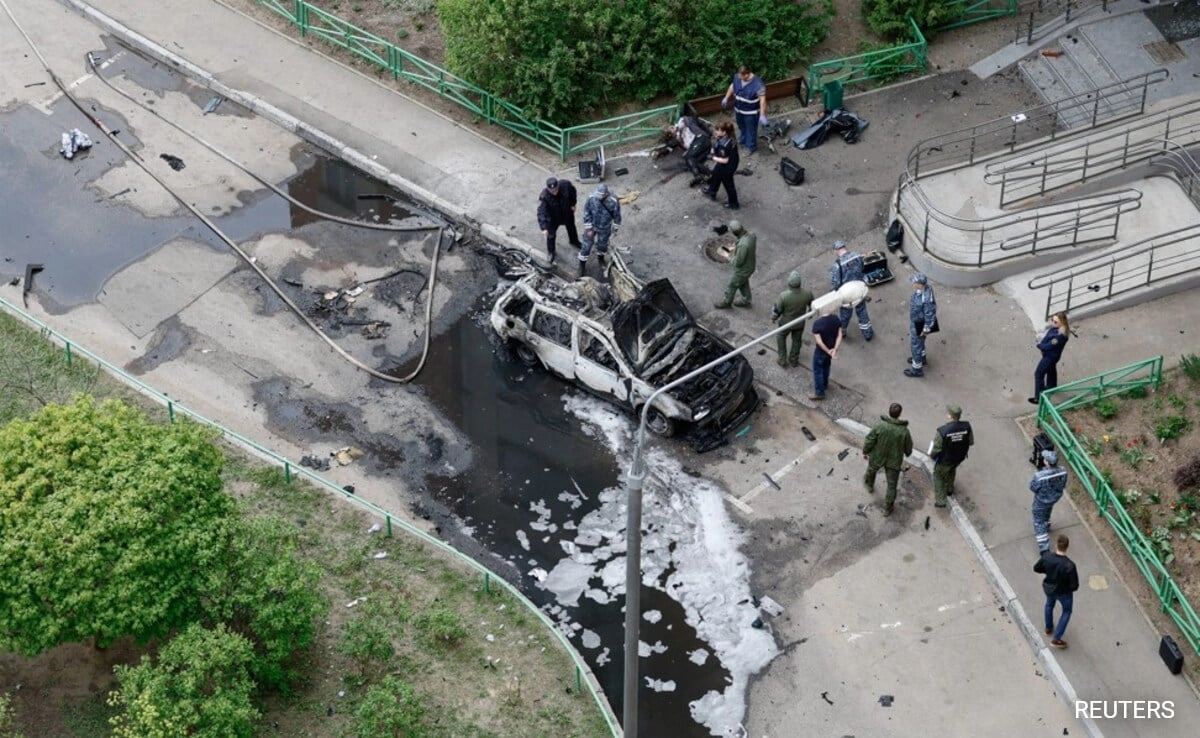
In a significant development amidst ongoing tensions between Russia and Ukraine, Russian authorities have detained a Ukrainian man in connection with a car bomb attack that resulted in the death of a Russian general. The incident, which has drawn international attention, highlights the persistent volatility in relations between the two nations, which have been embroiled in conflict since Russia’s annexation of Crimea in 2014. The attack underscores the complexity of the situation in the region, where military actions and political maneuvering often intersect, leading to heightened fears of further escalation.
The arrested individual is suspected of orchestrating the car bomb incident that targeted a high-ranking military official, reflecting a broader pattern of violence that has plagued the area. This development is particularly alarming as it comes at a time when both countries are engaged in fierce rhetoric and military posturing. The Russian government has been quick to label the attack as a terrorist act, which may serve to justify continued military operations and crackdowns on perceived dissent within its borders and in the occupied territories.
The implications of this arrest extend beyond the immediate tragedy of the attack. It raises questions about the dynamics of internal and external security in Russia, as well as the potential for retaliatory measures against Ukraine. Furthermore, the incident may fuel anti-Ukrainian sentiment within Russia, leading to increased hostility and further complicating the peace process. Observers are concerned that such acts of violence could provoke a more aggressive response from Russian forces, potentially spiraling the conflict into a more dangerous phase.
As the situation continues to unfold, the international community watches closely, urging both sides to exercise restraint and seek diplomatic solutions. The arrest of the Ukrainian suspect not only emphasizes the ongoing cycle of violence but also serves as a reminder of the human costs associated with geopolitical conflicts. The need for dialogue and reconciliation remains critical, as the risk of escalation looms over an already fragile landscape marked by years of animosity and mistrust. The path forward is uncertain, yet it is imperative for all parties involved to prioritize peace and stability in a region that has seen too much suffering.