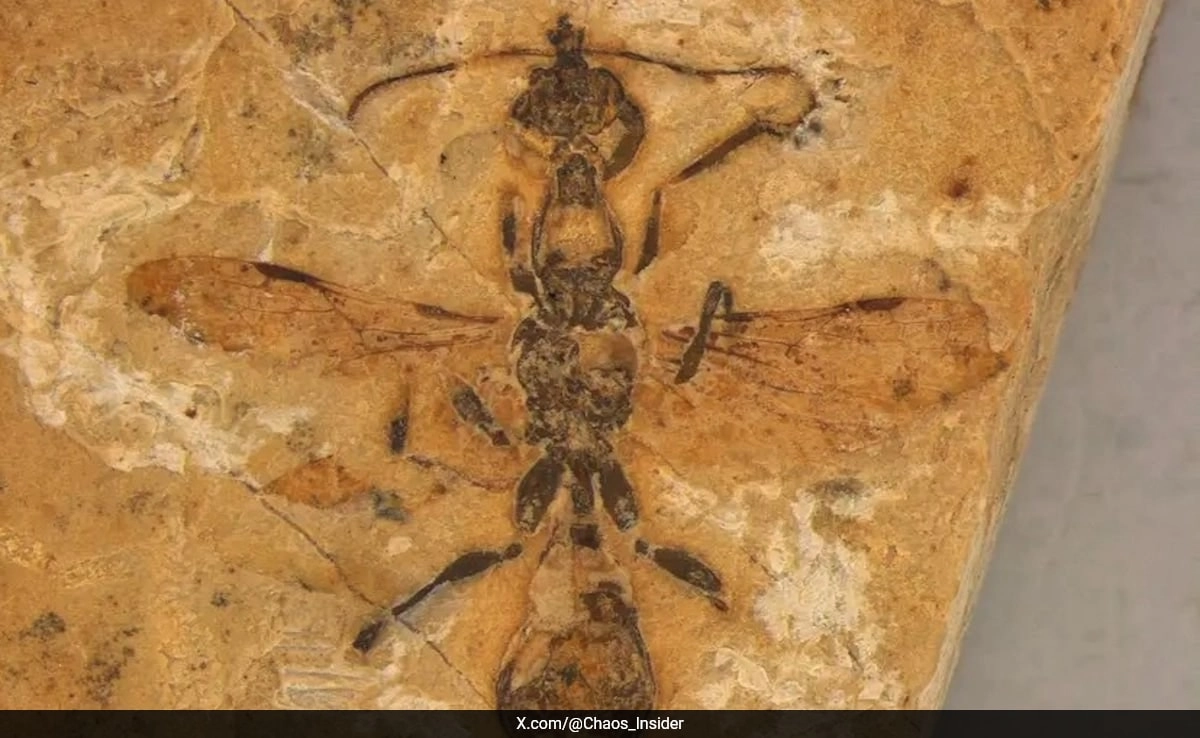
A remarkable paleontological discovery has been made in Brazil, where researchers unearthed the fossil of a 113-million-year-old insect known as the “hell ant.” This ancient creature, officially designated as *Myrmecia* and belonging to a now-extinct family of ants, offers a fascinating glimpse into the biodiversity that existed during the age of dinosaurs. The term “hell ant” is derived from its distinctive, horn-like structures on its head, which likely served a unique purpose in its predatory lifestyle. The fossil was remarkably preserved, providing significant insights into the morphology and ecological role of these ancient insects.
The discovery occurred in the Crato Formation, a region renowned for its exceptional fossil record, which has provided scientists with a wealth of information about the ecosystems of the Early Cretaceous period. This particular fossil not only sheds light on the characteristics of hell ants but also contributes to our understanding of the evolutionary history of social insects. The hell ant’s impressive adaptations, such as its formidable jaw structure, suggest that it was a proficient predator, likely preying on other small insects that shared its environment alongside dinosaurs.
These findings underscore the complexity of prehistoric ecosystems and highlight the interactions between various species during the Cretaceous period. The hell ant’s coexistence with dinosaurs illustrates a time when diverse life forms thrived, showcasing a rich tapestry of biological relationships. Researchers believe that the fossil could lead to new discoveries about how these insects adapted to their surroundings and evolved over millions of years. The study of such fossils not only enriches our knowledge of ancient life but also serves as a reminder of the dynamic changes that have shaped life on Earth throughout its history.
As scientists continue to analyze this fossil and others like it, they hope to uncover further details about the behavioral ecology of hell ants and their role in the larger context of Cretaceous ecosystems. This discovery also emphasizes the importance of fossil records, as they are invaluable in reconstructing past environments and understanding the evolutionary processes that have led to modern biodiversity. The hell ant fossil serves as a testament to the intricate web of life that existed millions of years ago and continues to captivate researchers and enthusiasts alike.