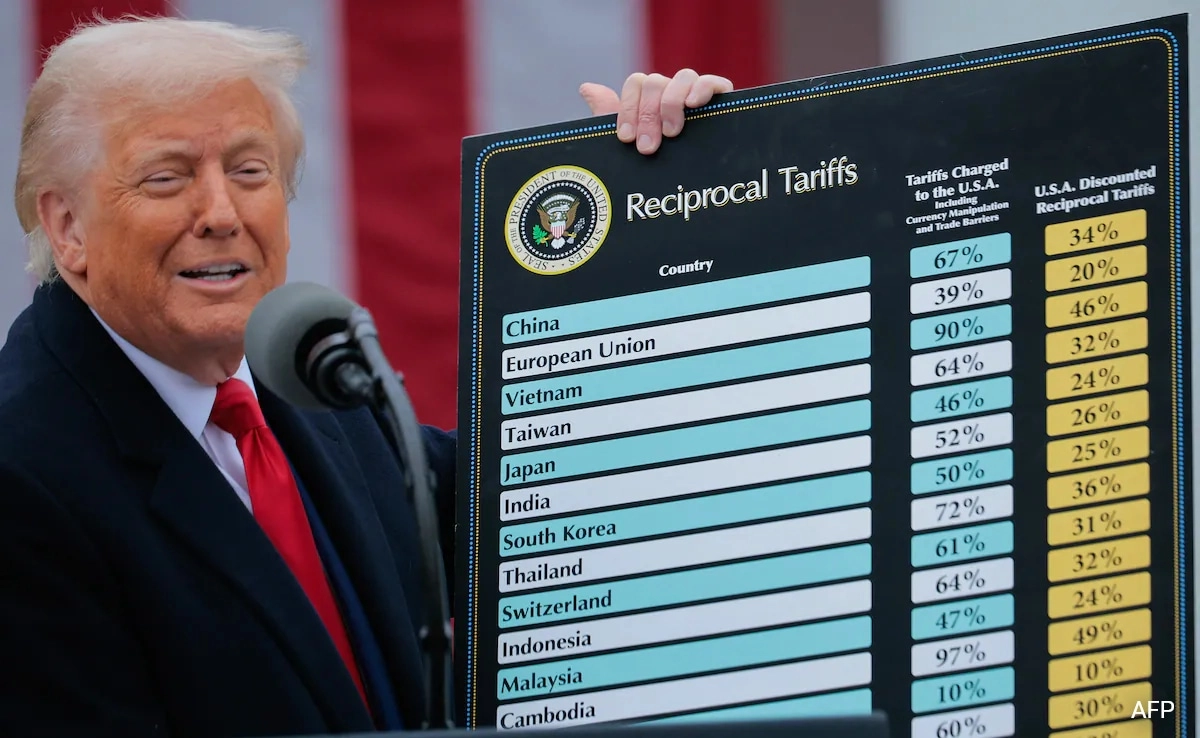
In a significant legal development, former US President Donald Trump has been sued for his imposition of sweeping tariffs during his administration. The lawsuit, filed by a coalition of businesses and trade associations, contends that the tariffs, which were implemented on a wide range of imported goods, violated both domestic and international trade laws. Critics argue that these protective measures, aimed at bolstering American industries, ultimately resulted in adverse economic consequences, including increased prices for consumers and retaliatory tariffs from other nations. The plaintiffs claim that Trump’s actions were not only detrimental to the economy but also exceeded the legal authority granted to the executive branch.
The tariffs, which were part of Trump’s broader “America First” trade agenda, targeted countries such as China, Canada, and the European Union. Proponents of the tariffs argued that they were necessary to protect American jobs and industries from unfair competition. However, opponents highlighted the negative impact on consumers and businesses that rely on imported materials. The lawsuit seeks to hold Trump accountable for what the plaintiffs describe as an overreach of executive power, asserting that the imposition of tariffs should have undergone a more rigorous legislative process.
As the legal proceedings unfold, the case is likely to reignite debates over trade policy and the balance of power between the legislative and executive branches of government. The outcome could have far-reaching implications not only for Trump but also for future administrations that may consider similar trade measures. With trade tensions continuing to shape the global economic landscape, this lawsuit serves as a reminder of the complexities surrounding tariff implementation and the legal challenges that can arise from unilateral actions taken by the executive branch. As stakeholders await the court’s decision, the broader implications for US trade relations and economic policy remain a critical focus for analysts and policymakers alike.