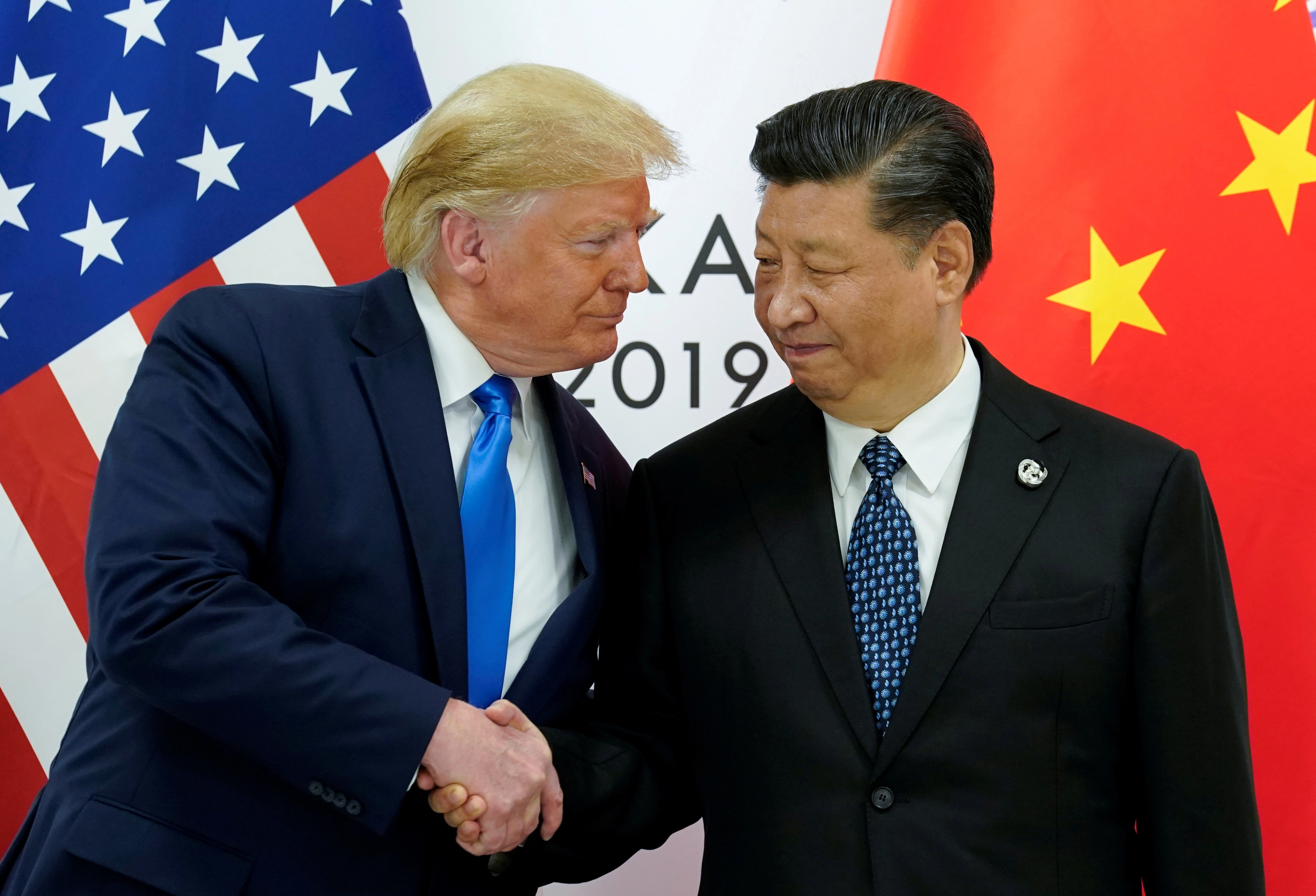
The United States is reportedly contemplating a significant reduction in tariffs imposed on Chinese goods, potentially slashing them to between 50% and 65%. This development comes amidst ongoing discussions about the economic relationship between the two nations, which have been marked by tensions and trade disputes for several years. The tariffs, initially implemented during the trade war initiated by the previous administration, were intended to protect American industries and jobs by making Chinese imports more expensive. However, they have also led to increased prices for consumers and businesses that rely on these imports.
Reducing the tariffs could be seen as a strategic move to alleviate inflationary pressures that have been affecting the U.S. economy. High inflation has prompted the Biden administration to explore various options to stabilize prices, and revisiting tariff policies may be part of a broader economic strategy. By easing these tariffs, the U.S. government could lower costs for consumers and manufacturers alike, fostering a more favorable economic environment. Nevertheless, any decision to reduce tariffs will likely be met with scrutiny, as it involves balancing domestic economic interests with the geopolitical repercussions of engaging more deeply with China.
Furthermore, the discussions around tariff reductions also reflect a shift in the administration’s approach to foreign trade policy, moving towards a more pragmatic stance. This potential policy change indicates a willingness to engage in dialogue and negotiation with China, rather than relying solely on punitive measures. Such a shift could open doors for more comprehensive trade agreements and cooperative efforts in areas such as technology, climate change, and global supply chain management. However, the complexities of U.S.-China relations mean that any changes in tariffs will require careful consideration of their implications for national security and economic competitiveness. As both nations navigate this intricate relationship, the outcome of these deliberations will have lasting impacts on global trade dynamics and economic stability.