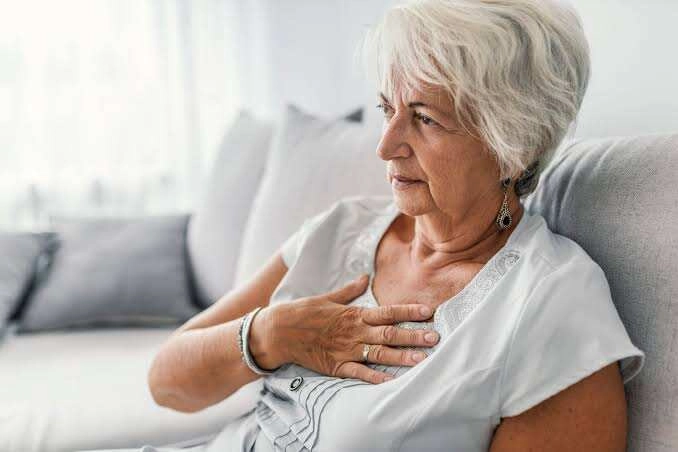
The rising risk of cancer among the elderly population is a growing concern that warrants attention. As people age, their bodies undergo various changes that may increase susceptibility to various diseases, including cancer. Doctors emphasize that the connection between age, lifestyle, and health conditions plays a crucial role in understanding this phenomenon. With advancing age, the cellular mechanisms in the body become less efficient at repairing themselves, which can lead to the accumulation of mutations and ultimately cancer.
Lifestyle factors significantly contribute to the risk of developing cancer in older adults. Poor dietary choices, lack of physical activity, smoking, and excessive alcohol consumption are prevalent issues that can exacerbate health problems. Many elderly individuals may also have pre-existing health conditions, such as diabetes or heart disease, which can further complicate their overall health and increase cancer risk. Doctors suggest that promoting healthier lifestyle choices, such as balanced diets rich in fruits and vegetables, regular exercise, and routine medical check-ups, can help mitigate these risks.
Moreover, the social and psychological aspects of aging cannot be overlooked. Loneliness and social isolation, common in the elderly, can lead to mental health issues, which in turn may influence physical health. Stress and depression have been linked to a higher risk of developing various diseases, including cancer. Therefore, fostering social connections and providing mental health support are essential components of a comprehensive approach to reducing cancer risk in older adults.
In conclusion, understanding the multifaceted relationship between age, lifestyle, and health is vital in addressing the increasing cancer risk among the elderly. By encouraging healthier habits and providing adequate support, we can potentially lower the incidence of cancer in this vulnerable population. It is crucial for healthcare providers, families, and communities to work together to promote not only physical health but also mental and emotional well-being as individuals age.