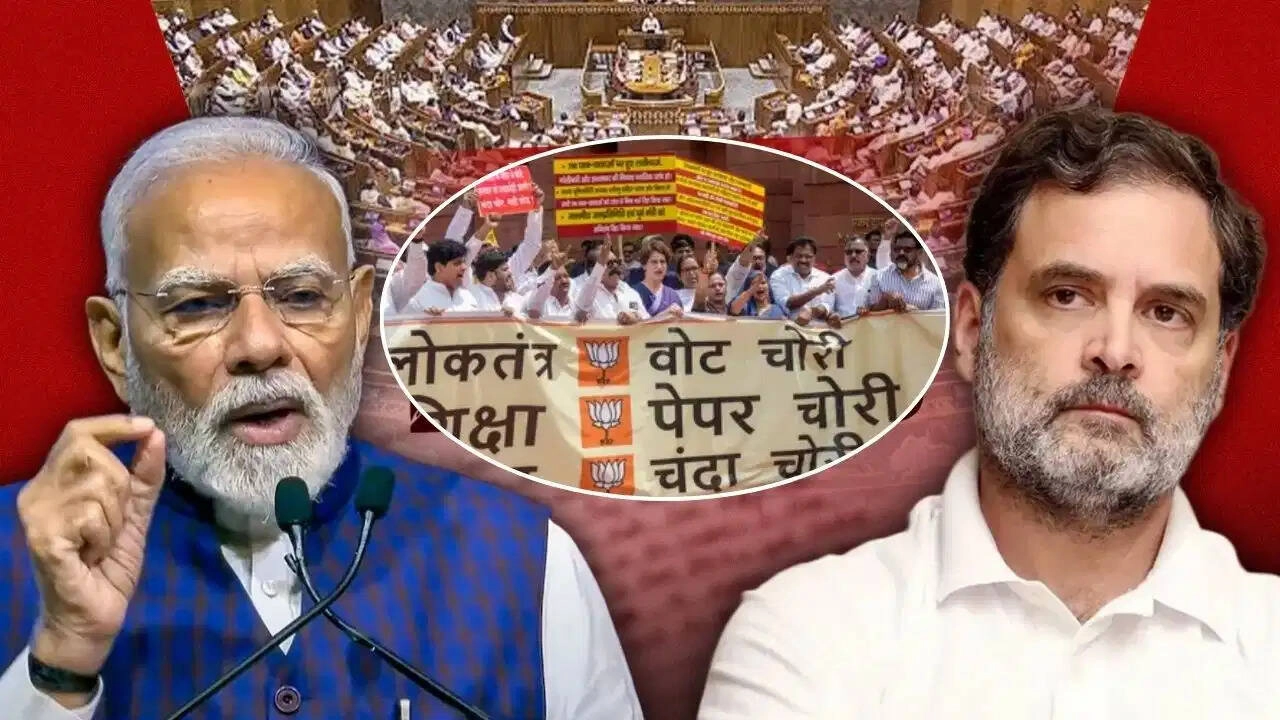
The Paper Leak Bill has become a significant point of contention in the Indian Parliament, bringing the government and opposition face to face in a heated debate. This legislation aims to address the growing concerns surrounding the leakage of examination papers, which has been a recurring issue in various competitive exams and recruitment processes. The implications of such leaks are profound, impacting not only the integrity of educational assessments but also public trust in the systems designed to ensure fairness and meritocracy.
During the parliamentary discussions, representatives from both the ruling party and the opposition are expected to present their perspectives on the bill. The government is likely to emphasize the necessity of stringent measures to curb paper leaks, proposing stricter penalties for those involved in such malpractices. They will argue that the bill is a step toward safeguarding the sanctity of examinations and ensuring that deserving candidates have a fair chance at success.
On the other hand, opposition leaders may raise concerns regarding the bill’s effectiveness and the potential for misuse. They might question whether the proposed measures will truly address the root causes of paper leaks or if they simply serve as a superficial solution. Additionally, the opposition may advocate for a more comprehensive approach that includes better oversight, transparency in the examination processes, and the implementation of advanced technology to prevent leaks from occurring in the first place.
As the debate unfolds, it will be crucial to observe how each side articulates its arguments and the potential implications of the bill on the educational landscape in India. The outcome of this discussion could have lasting effects on how examinations are conducted and how candidates are evaluated, making it a pivotal moment in the ongoing dialogue about educational reform and integrity in the country.