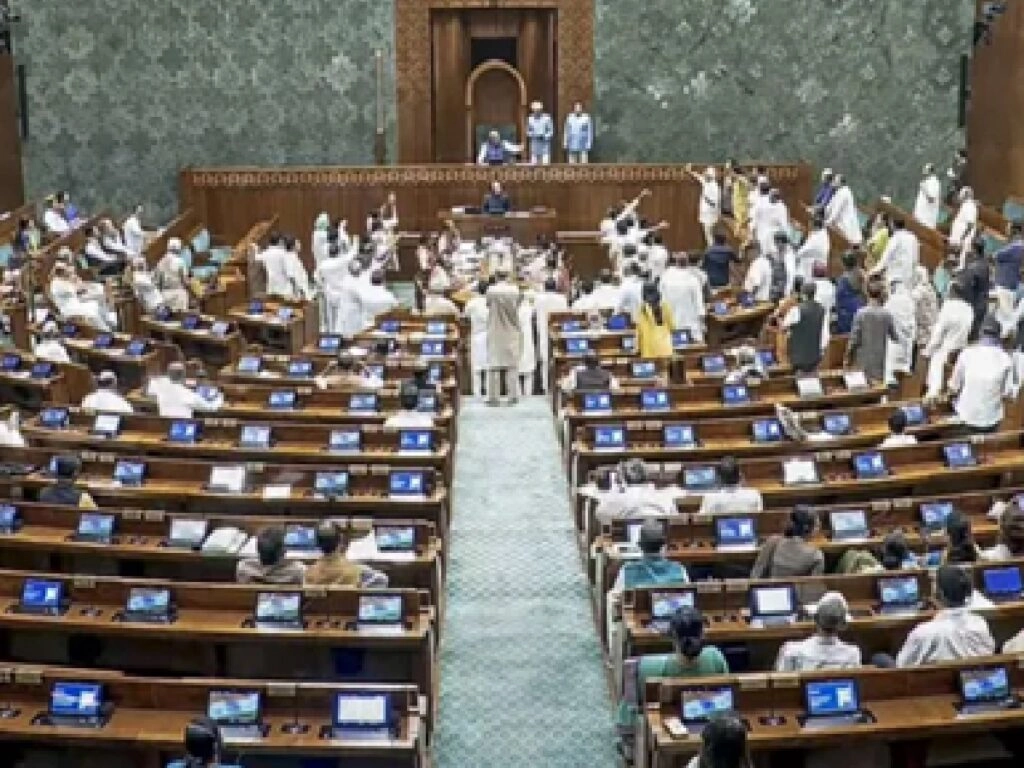
The Central Government is preparing to introduce the Anti-Paper Leak Amendment Bill 2026 in Parliament, aimed at addressing the persistent issue of examination paper leaks that have plagued the education system in recent years. This proposed legislation seeks to impose stringent penalties, including significant jail time and hefty fines, as part of a comprehensive strategy to deter such malpractices. Under the new provisions, individuals found guilty of leaking examination papers could face imprisonment for up to ten years, along with fines that could reach as high as ₹10 crore. This move underscores the government’s commitment to maintaining the integrity of the examination process and ensuring a fair chance for all candidates.
The introduction of this bill comes in response to growing public outcry over repeated incidents of paper leaks, which have undermined public trust in educational institutions and the fairness of competitive examinations. By instituting severe penalties, the government aims not only to punish those directly involved in leaking papers but also to act as a deterrent to potential offenders. The bill is expected to cover a range of offenses related to examination integrity, including the unauthorized distribution of question papers and any conspiracy to compromise the examination process.
In addition to punitive measures, the government plans to implement stricter regulations and oversight mechanisms to prevent such leaks from occurring in the first place. This could involve enhanced security protocols for the handling and distribution of exam materials, as well as increased scrutiny of individuals involved in the examination process. The overarching goal of the Anti-Paper Leak Amendment Bill 2026 is to restore faith in the educational system and ensure that merit prevails over corruption. As the government gears up to present this bill, it is anticipated that it will spark significant debate among lawmakers, educators, and the general public, reflecting the high stakes involved in safeguarding the integrity of examinations.