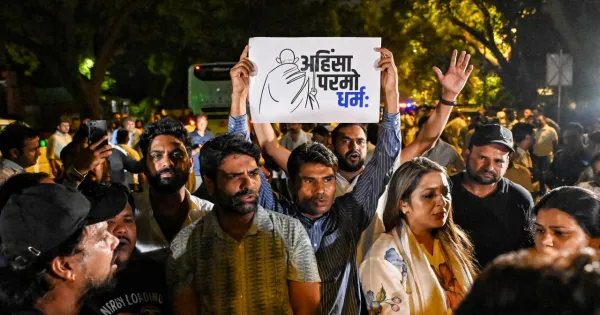
In response to the ongoing protests led by the Chief Justice of Pakistan (CJP), the government has taken significant steps, including the removal of the Higher Education Secretary from their position. This decision reflects the administration’s attempt to manage the escalating situation and signals a shift in strategy as tensions rise between the judiciary and the executive branches. The protests, which have garnered considerable public attention, are centered around demands for judicial independence and accountability, highlighting the challenges faced within Pakistan’s legal framework.
The removal of the Higher Education Secretary is a noteworthy development, as it underscores the government’s willingness to make personnel changes in an effort to appease the dissenting voices and restore order. Observers speculate that this move may be part of a broader strategy to diffuse the unrest surrounding the judiciary and to address the concerns raised by demonstrators. The protests, which have drawn participation from various sectors of society, reflect a growing frustration with the perceived politicization of the judiciary and its implications for governance and rule of law in the country.
As the situation unfolds, the government’s actions may set a precedent for how it responds to public dissent and institutional challenges. The relationship between the executive and judiciary has long been a contentious one in Pakistan, and the current protests have reignited debates on the balance of power and the need for judicial reforms. The removal of the Higher Education Secretary, therefore, may not just be a response to current protests but also a signal of the government’s recognition of the need for systemic change. This development will likely have implications for future governance, as the administration grapples with the demands of civil society and the expectations of an increasingly vocal citizenry.