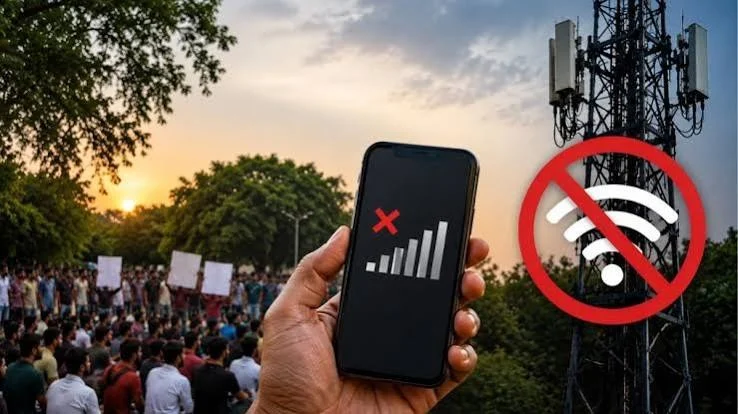
The Home Ministry has made a significant decision to impose a ban on mobile data services in the Jantar-Mantar area. This move comes as a response to concerns regarding public safety and security in a location that has historically been a hub for protests and gatherings. Jantar-Mantar, located in the heart of Delhi, has long been a site where individuals and groups congregate to voice their opinions and demands. The government aims to control the flow of information and coordination among protestors, particularly during sensitive events or demonstrations that could lead to unrest.
By restricting mobile data access, authorities believe they can mitigate the potential for organized disruptions and maintain public order. This decision reflects a broader trend of using technology regulations as a means to manage civil activities in urban spaces. Critics of the ban argue that such measures infringe on fundamental rights, including the right to free speech and assembly. They warn that limiting access to mobile data can hinder the ability of citizens to communicate effectively, especially in situations where immediate information sharing is crucial for safety and organization.
The ban on mobile data in Jantar-Mantar raises important questions about the balance between security and civil liberties. While the government asserts that its primary goal is to ensure safety, opponents contend that such restrictions can have a chilling effect on democratic participation. The decision highlights the ongoing tension between state control and individual freedoms, especially in a rapidly evolving digital landscape. As this situation unfolds, it will be essential to observe how the ban impacts both protest activities and the broader discourse on civil rights in India.