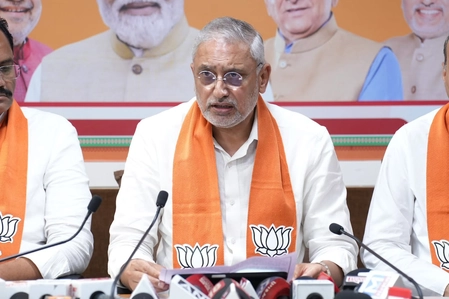
The NEET paper leak controversy has stirred significant political debate in India, particularly in Gujarat, where the Bharatiya Janata Party (BJP) has accused Rahul Gandhi of misleading the youth. This incident comes amidst escalating tensions surrounding the integrity of the examination process, which is crucial for aspiring medical students across the country. The BJP claims that Rahul Gandhi’s statements regarding the leak are not only baseless but also aim to create confusion among the young population, who are already facing immense pressure to perform well in competitive examinations.
The NEET (National Eligibility cum Entrance Test) is a pivotal examination for students seeking admission to medical colleges in India. Any allegations of malpractice or irregularities can have far-reaching consequences, affecting the careers and futures of thousands of students. In this context, the BJP’s reaction emphasizes the importance of maintaining trust in the examination system. The party has called for a thorough investigation into the allegations while also urging political leaders to refrain from making inflammatory remarks that could further destabilize the situation.
Rahul Gandhi, a prominent leader of the Indian National Congress, has been vocal about various issues affecting the youth, and the NEET controversy is no exception. His party has criticized the government for not ensuring a fair and transparent examination process. In response to the BJP’s accusations, Gandhi has maintained that he is merely advocating for the rights and interests of students, calling for accountability and transparency in the education system. This ongoing political tug-of-war highlights the broader issues of governance and the role of leadership in shaping the future of the nation’s youth.
As the debate continues, it is essential to focus on the implications of the NEET paper leak controversy for students and the education system as a whole. The incident has ignited discussions about the need for reforms to ensure that examinations are conducted fairly and without the potential for corruption. The youth of India, who are the backbone of the nation’s future, deserve a system that is transparent and just, free from any allegations of malpractice. The outcome of this controversy could pave the way for significant changes in how competitive examinations are administered in the country.