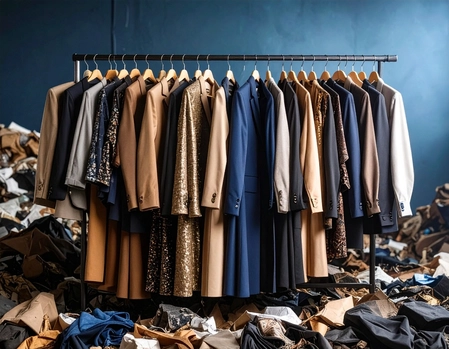
A recent report has highlighted that the textile and apparel industry will require approximately 14 million new jobs over the next decade. This significant demand for employment underscores the industry’s ongoing evolution and its critical role in the global economy. As consumer preferences continue to shift and sustainability becomes increasingly important, the sector is likely to undergo transformative changes that will generate a wealth of new opportunities for job seekers.
The report suggests that various factors will contribute to this job growth, including technological advancements, an increase in the production of sustainable textiles, and a rising global population that demands more clothing and accessories. Innovations in manufacturing processes and the introduction of smart textiles are expected to create specialized roles that did not previously exist, necessitating a workforce that is both skilled and adaptable.
Moreover, as companies strive to meet both domestic and international market demands, they will seek to enhance their supply chains, leading to further job creation in areas such as logistics, quality control, and marketing. The implications of this growth are far-reaching, as it not only presents opportunities for employment but also drives economic development in regions that heavily rely on the textile and apparel industry.
In conclusion, the projected need for 14 million new jobs in the textile and apparel industry over the next ten years emphasizes the importance of preparing the workforce for future challenges and opportunities. Education and training programs will play a crucial role in equipping individuals with the necessary skills to thrive in this dynamic sector, ensuring that they can contribute effectively to its growth and sustainability.