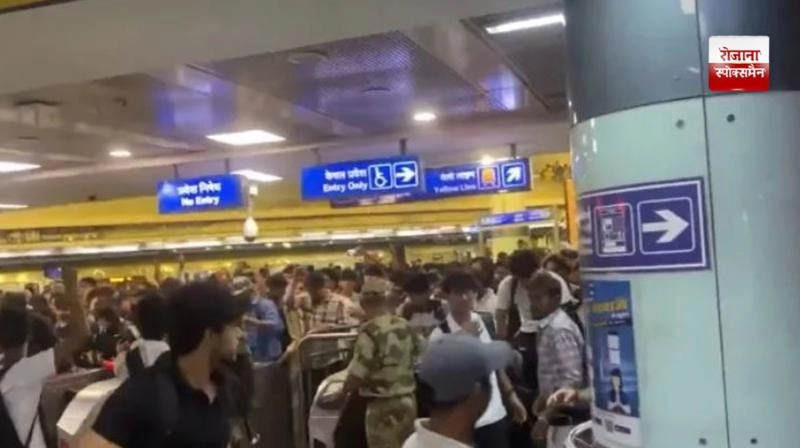
On the day of the protests organized by the Central Joint Platform (CJP) in Delhi, a significant impact was felt across the city’s transport system, particularly affecting the metro services. Authorities responded to the anticipated unrest by closing 16 metro stations to ensure the safety of commuters and maintain order. This precautionary measure led to considerable frustration among passengers who rely on the metro for their daily commute. Many found themselves stranded or forced to seek alternative transportation, which added to their travel woes.
The protests, aimed at raising awareness about various social issues, drew attention not only to the grievances being voiced but also to the challenges faced by everyday citizens navigating the city. Commuters expressed their dissatisfaction with the station closures, highlighting the inconvenience it caused to their schedules. With the metro being a primary mode of transportation for thousands, the disruption created a ripple effect, leading to overcrowding in buses and on the roads as people sought other means to reach their destinations.
Moreover, the decision to close the stations sparked discussions on the balance between maintaining public order and ensuring the smooth functioning of essential services like public transport. While the authorities aimed to prevent potential disturbances, the adverse effects on commuters raised questions about the effectiveness of such measures. Many urged for better planning and communication to minimize disruptions during protests in the future. As the situation unfolded, it became clear that while the right to protest is fundamental, the needs of the public must also be taken into consideration to create a harmonious balance in urban life.