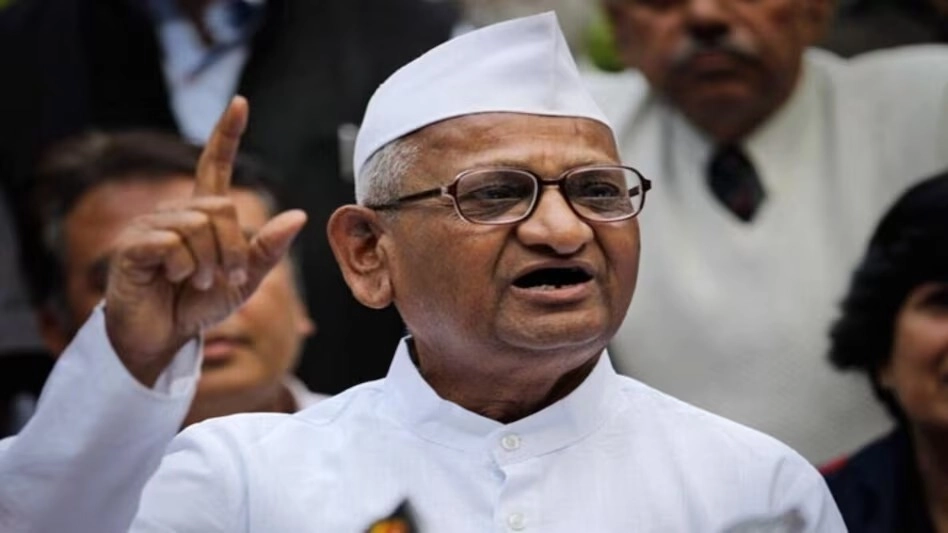
Anna Hazare, the renowned social activist, has expressed his strong discontent regarding the recent police lathicharge on students protesting for the National Eligibility cum Entrance Test (NEET). In a heartfelt letter addressed to Prime Minister Narendra Modi, Hazare emphasized the need for dialogue and understanding, rather than the use of force against peaceful demonstrators. He highlighted that in a democratic society, it is essential for the government to listen to the voices of its citizens, particularly the youth who are advocating for their rights and future.
Hazare’s letter reflects his deep concern for the rising tensions between the authorities and the student community, as well as the implications of such actions on the principles of democracy. He underscored that repression only serves to exacerbate dissent, while open communication can lead to constructive solutions. The activist called upon the government to engage with the students to address their grievances, thereby fostering a more inclusive approach to governance.
The situation surrounding the NEET protests has drawn significant public attention, with many supporting the students’ demands for transparency and fairness in the examination process. Hazare’s intervention adds a prominent voice to the ongoing debate, reminding the government of its responsibility to uphold democratic values. His insistence on dialogue represents a broader call for reform in how the authorities engage with civil society, particularly when it concerns the aspirations and concerns of the younger generation.
In conclusion, Anna Hazare’s remarks resonate with a growing sentiment among citizens who believe that peaceful protests should be met with understanding rather than violence. His appeal to Prime Minister Modi to prioritize dialogue over repression serves as a vital reminder of the importance of listening to the voices of the youth, who are the future of the nation. As the situation unfolds, it remains crucial for the government to recognize the significance of constructive engagement in maintaining the health of democracy.