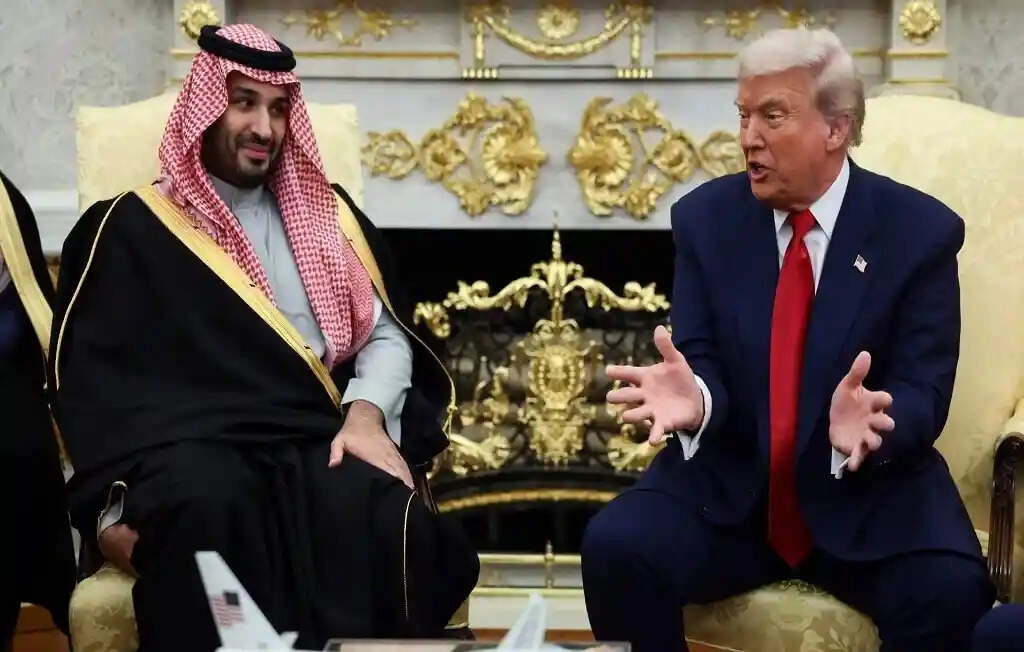
Tensions between Iran and the United States have escalated recently, leading to increased scrutiny of America’s foreign policy in the region. In particular, questions have arisen regarding the potential for nuclear concessions to Saudi Arabia amidst these rising tensions. Critics argue that the U.S. approach may be inconsistent, especially under the Trump administration, which has been accused of playing a double game in its dealings with both Iran and Saudi Arabia.
The situation is further complicated by the geopolitical dynamics in the Middle East, where Iran’s nuclear ambitions pose a significant threat to regional stability. The U.S. has historically been a strong ally of Saudi Arabia, often supporting its position against Iranian influence. However, the prospect of granting nuclear capabilities to Saudi Arabia raises concerns about an arms race in the region, potentially undermining the very security that the U.S. aims to establish.
As the U.S. navigates these complex relationships, the implications of its policies could have far-reaching consequences. If the Trump administration is indeed pursuing a double game, it could lead to further destabilization in the region and might embolden Iran. Critics argue that a consistent and transparent policy is essential for maintaining peace and security in the Middle East, urging the U.S. to reconsider its strategies and alliances to avert a potential nuclear confrontation.