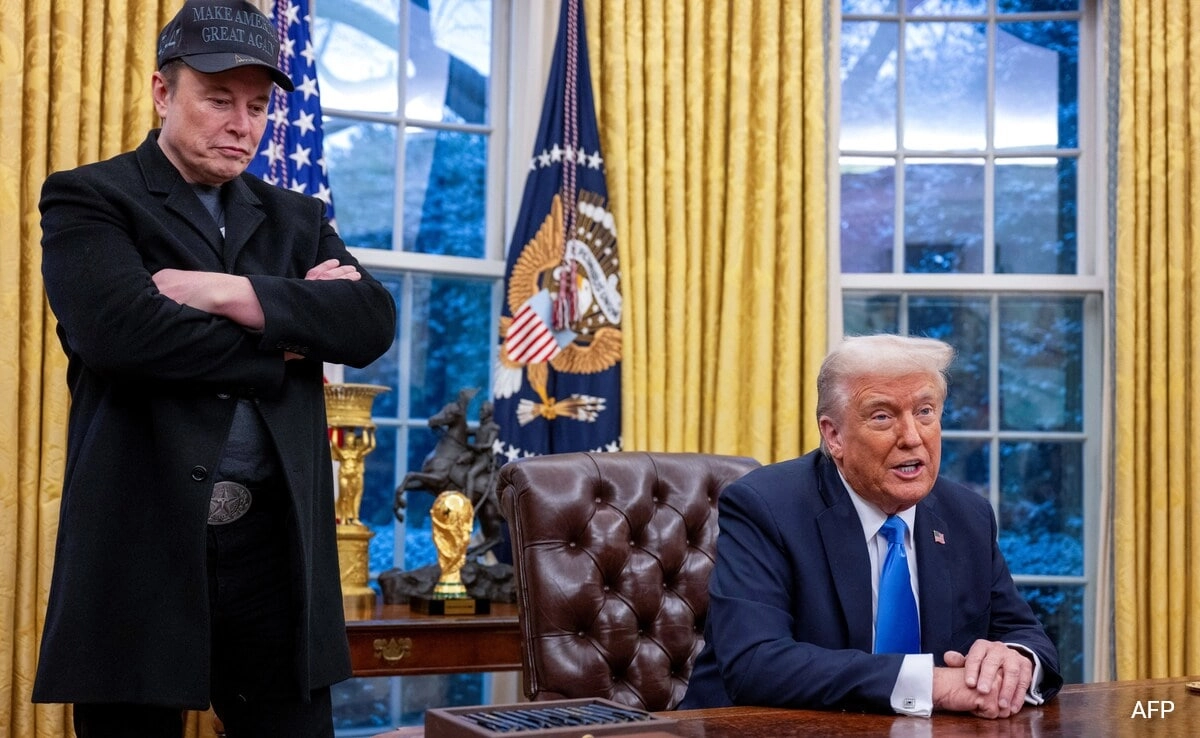
Elon Musk, the CEO of Tesla and SpaceX, recently made headlines with his announcement regarding his reduced involvement in supporting former President Donald Trump. This decision comes at a particularly challenging time for Tesla, as the company has reported a staggering 71% drop in profits. The decline in financial performance has raised concerns among investors and analysts, prompting Musk to reevaluate his commitments and focus on stabilizing the company’s operations.
The significant decrease in Tesla’s profits can be attributed to various factors, including supply chain disruptions, increasing competition in the electric vehicle market, and rising material costs. As Tesla navigates these challenges, Musk’s decision to step back from political engagements may signal a shift in priorities. By concentrating on the core business, Musk aims to steer Tesla back to profitability and enhance its market position. This pivot is essential not only for the company’s financial health but also for maintaining investor confidence in a rapidly evolving industry.
Musk’s relationship with Trump has been complex, characterized by moments of collaboration and contention. However, as Tesla grapples with its financial difficulties, Musk’s focus appears to be shifting towards operational excellence rather than political alliances. This change may reflect a broader trend among business leaders who are recognizing the need to prioritize corporate stability over political affiliations in an increasingly polarized environment. As Tesla moves forward, it will be interesting to see how Musk’s decisions impact both the company’s trajectory and his personal brand in the public eye.
In conclusion, Elon Musk’s announcement to reduce his political engagements, particularly with Donald Trump, amid Tesla’s significant profit drop indicates a strategic pivot towards prioritizing the company’s core operations. As Tesla faces mounting challenges in the competitive electric vehicle market, Musk’s focus on stabilizing the company may be crucial for its future success. This decision not only underscores the importance of financial performance in business leadership but also highlights the interplay between corporate strategy and political involvement in today’s business landscape.