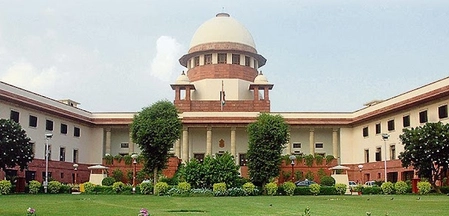
The Supreme Court of India has directed the Central Board of Secondary Education (CBSE) to implement the verdict issued by the Orissa High Court regarding the APAAR (Academic Performance Assessment and Accountability Reporting) scheme. This decision comes as part of the ongoing efforts to ensure that educational standards and assessments are managed in a fair and transparent manner across the country. The Orissa High Court’s ruling had significant implications for the evaluation processes and accountability measures within educational institutions, and the Supreme Court’s endorsement emphasizes the necessity of adhering to judicial directives.
The APAAR scheme was formulated to enhance the quality of education by holding schools accountable for student performance and providing a framework for assessment that is both rigorous and equitable. The Orissa High Court had identified certain inconsistencies and issues within the implementation of this scheme, prompting its decision aimed at rectifying these problems. By instructing the CBSE to adhere to the high court’s ruling, the Supreme Court is reinforcing the importance of judicial oversight in educational reforms and the necessity for regulatory bodies like CBSE to comply with legal mandates.
This directive has been welcomed by various stakeholders, including educators and parents, who are advocating for improved accountability in the education system. The implementation of the Orissa High Court’s verdict is expected to bring about positive changes in how academic performance is assessed and reported, ultimately benefiting students and educational institutions alike. As the CBSE works to align its policies with the court’s ruling, it will also be crucial to monitor the impact of these changes on the overall educational landscape in India, ensuring that the goals of fairness and transparency are met.
In conclusion, the Supreme Court’s action underscores the critical role of legal frameworks in shaping educational policies and practices. By mandating the CBSE to implement the Orissa High Court’s verdict on APAAR, the judiciary is taking a proactive stance in ensuring that educational accountability is prioritized and upheld, fostering an environment where students can thrive academically. Moving forward, the collaboration between the judiciary and educational authorities will be vital in establishing a robust system that supports both educators and learners in achieving excellence.