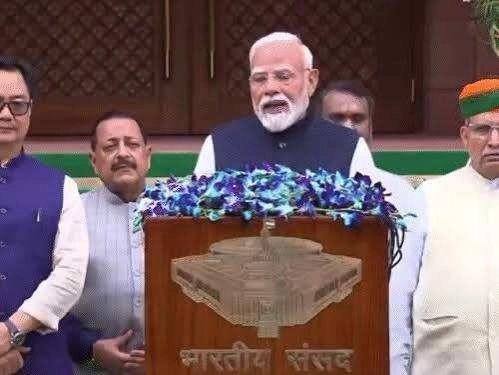
In a recent video, Prime Minister Narendra Modi made a subtle but pointed jab at opposition leader Rahul Gandhi, without explicitly naming him. The comments were made during a political discussion that unfolded within the premises of Parliament. This exchange highlights the ongoing tensions and debates that characterize the current political landscape in India. Modi’s remarks were aimed at questioning the maturity and experience of certain political figures, suggesting that age alone does not equate to wisdom or competence in governance.
The context of this debate is significant, as it reflects the broader dynamics of Indian politics, where generational divides often come into play. Modi’s reference to “a 56-year-old youth” was crafted to provoke thought about the essence of leadership and the qualifications that come with age. This critique can be seen as part of a larger narrative where political leaders are scrutinized not just for their policies but also for their personal attributes and public personas.
As the political discourse intensifies, such exchanges serve to highlight the differences in ideology and approach between the ruling party and the opposition. Modi’s comments, while not directly naming Gandhi, clearly signal a challenge to his political credibility. This incident underscores the importance of communication strategies in politics, where leaders must navigate the delicate balance of criticism and respect while engaging with their opponents. In an age where public perception can be swiftly shaped by social media, such carefully worded remarks can resonate with constituents and influence the political narrative.