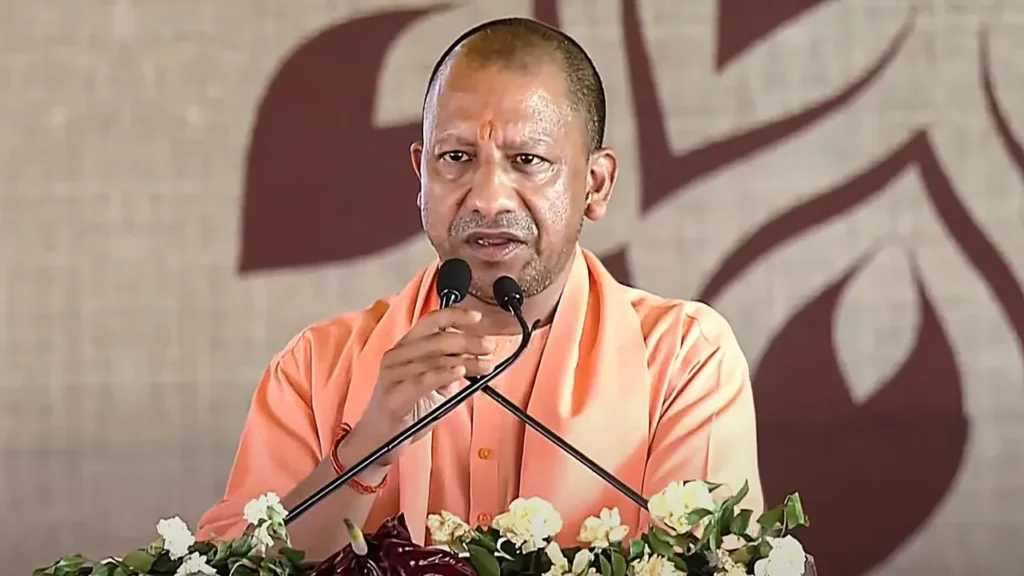
In a recent political rally, Chief Minister Yogi Adityanath launched a scathing attack on the opposition, emphasizing his administration’s commitment to local agricultural products over historical figures. In a striking statement, he expressed a preference for sugarcane over Muhammad Ali Jinnah, the founder of Pakistan, illustrating his disdain for the opposition’s perceived neglect of regional issues. Adityanath’s comments come amid ongoing political tensions, where he accused opposition leaders of failing to engage with the local populace and their concerns. He argued that their absence from Bijnor, a significant agricultural hub in Uttar Pradesh, was a bad omen, signaling a disconnect between political leaders and the citizens they represent.
Yogi Adityanath’s remarks highlight the ongoing political rivalry in the region, where agricultural prosperity is a crucial issue. By focusing on sugarcane, a vital cash crop for farmers in Uttar Pradesh, the Chief Minister aimed to resonate with the local electorate, reinforcing his administration’s focus on agricultural development and farmer welfare. The choice to mention Jinnah is particularly telling; it reflects a strategic attempt to invoke nationalism and rally support by contrasting his government’s priorities with those of the opposition, whom he accuses of neglecting the needs of the common people.
This rhetoric is not just about sugarcane; it encapsulates a broader narrative about identity, priorities, and governance. Adityanath’s comments serve as a reminder of the intricate relationship between politics and agriculture in Uttar Pradesh, where the livelihoods of millions depend on farming. By positioning himself and his party as champions of local interests, he seeks to strengthen his political base in a state that often grapples with issues of agrarian distress and rural development. As the political landscape continues to evolve, such statements from leaders can significantly influence public perception and electoral outcomes.