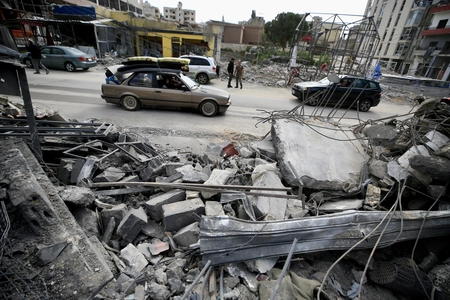
Bangladesh has recently made a notable shift in its border policy by deciding to install barbed wire along its border with Myanmar. This decision comes as a surprising turn of events, especially considering that Bangladesh had previously opposed the border fencing initiatives undertaken by India. The change in stance reflects the complexities and evolving dynamics of regional security and immigration concerns in South Asia.
Historically, Bangladesh has expressed strong opposition to India’s border fencing efforts, citing humanitarian concerns and the potential impact on the movement of people. The Indian government has defended its border fencing as a necessary measure to curb illegal immigration and enhance national security. However, Bangladesh’s recent decision to fortify its border with Myanmar suggests a growing recognition of the challenges posed by cross-border movements, particularly in light of the ongoing Rohingya crisis and other security threats.
The installation of barbed wire along the Myanmar border is expected to serve multiple purposes. It aims to prevent illegal crossings and enhance the control over the movement of people and goods. This move also indicates Bangladesh’s increasing focus on securing its borders amid rising tensions in the region. The complexities of border management are further complicated by the influx of refugees and the need to balance humanitarian obligations with national security.
As Bangladesh embarks on this new chapter in its border policy, it will be essential to monitor the implications for its relations with Myanmar and India. The situation highlights how geopolitical realities can shift rapidly and how nations must adapt to safeguard their interests while navigating the intricate web of regional relationships. Ultimately, this development could lead to a re-evaluation of border policies in the broader context of South Asian security and cooperation.