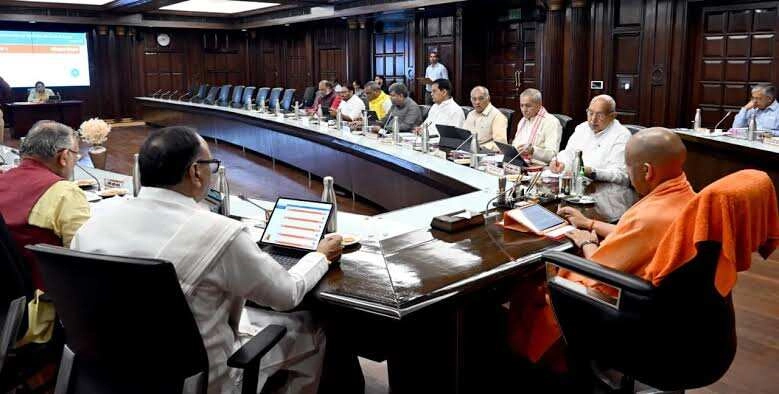
The Indian government has introduced new guidelines aimed at curbing delays in official meetings involving IAS and IPS officers. The objective behind this initiative is to enhance efficiency and ensure that government proceedings are conducted in a timely manner. These measures come in response to growing concerns about the prolonged duration of meetings, which often hinder decision-making processes and result in a waste of valuable time.
Under the new directives, there will be a stricter framework governing the scheduling and conduct of meetings. Officers will be required to adhere to specific time limits for discussions, ensuring that agendas are addressed promptly and effectively. This initiative is expected to foster a culture of efficiency within the bureaucracy, encouraging officers to prepare more thoroughly and focus on key issues, rather than getting lost in lengthy discussions that yield little progress.
Furthermore, the guidelines will likely include provisions for regular evaluations of meeting outcomes and the effectiveness of the decisions made. By monitoring these aspects, the government hopes to create a more accountable and results-oriented environment within the administrative framework. As a result, this move is anticipated to streamline operations and facilitate quicker implementation of policies and projects that are crucial for the nation’s development.
In conclusion, the government’s proactive approach to managing the time spent in meetings signifies a broader commitment to improving governance and administrative efficiency. By imposing these new regulations, the authorities aim to ensure that every meeting leads to meaningful outcomes, thereby enhancing the overall productivity of public service. This shift is not only beneficial for the officers involved but ultimately serves the interests of the citizens who rely on an efficient and responsive government.