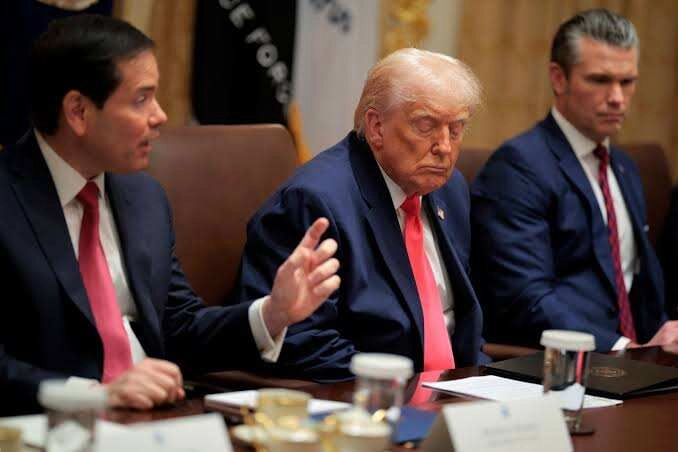
In a recent statement, former President Donald Trump made a significant claim regarding the 2020 U.S. elections, alleging that China had stolen the personal information of 220 million voters. Trump suggested that this theft of data has had serious implications for the integrity of the electoral process. His assertion raises questions about the security of voter information and the potential influence of foreign entities on American democracy.
Trump further accused various agencies of concealing the truth about this alleged data breach, implying a lack of transparency in the investigation of the issue. He has frequently criticized the handling of election-related matters, asserting that there was widespread fraud and manipulation during the election that led to his defeat. This latest accusation appears to be part of his ongoing narrative that the 2020 election was not conducted fairly.
The former president’s claims have sparked renewed debates about election security and foreign interference in U.S. politics. Critics argue that such statements could undermine public confidence in the electoral system, while supporters believe they highlight a pressing need for reforms to protect voter information. As the conversation around election integrity continues, these allegations may have lasting effects on how future elections are conducted and perceived by the public.
Overall, Trump’s remarks reflect his continued engagement with the contentious issues surrounding the 2020 elections and his insistence on questioning the legitimacy of the results. As discussions unfold, it remains to be seen how these claims will influence both public opinion and legislative actions regarding election security in the United States.