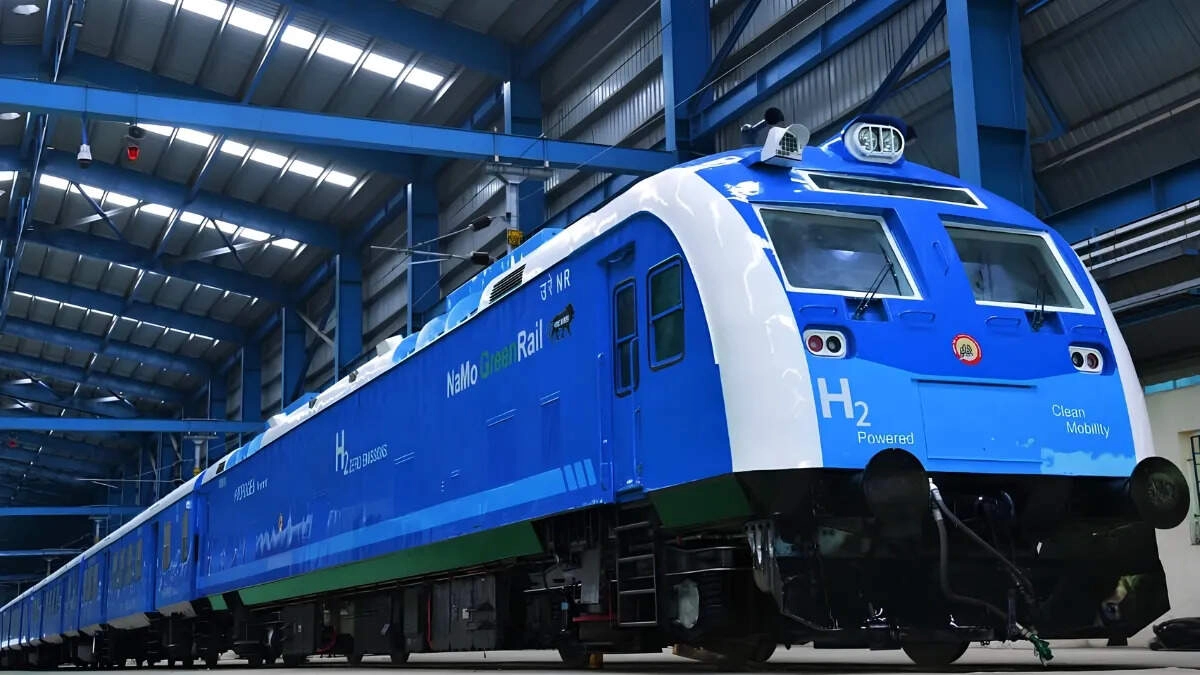
India has made a significant stride in the realm of transportation with the introduction of its first hydrogen train. This development raises an essential question: is the hydrogen train more cost-effective than traditional diesel and electric trains? To evaluate this, we need to analyze the operational costs associated with running these different types of trains over a distance of one kilometer.
When considering the operational expenses, hydrogen trains are designed to be more environmentally friendly and sustainable. They utilize hydrogen fuel cells, which convert hydrogen into electricity, thereby producing only water vapor as a byproduct. This not only reduces carbon emissions but also minimizes the overall environmental impact compared to diesel trains, which emit harmful pollutants. In terms of fuel costs, hydrogen is increasingly being produced using renewable energy sources, making it a viable alternative in the long term.
On the other hand, diesel trains are typically cheaper to operate in the short term due to the established infrastructure and lower initial investment costs. However, as the world shifts towards greener energy solutions, the long-term benefits of hydrogen trains, including lower emissions and reduced reliance on fossil fuels, may outweigh the initial costs. Electric trains, while efficient and cleaner, often require substantial investments in overhead electrification infrastructure, which can be a barrier in rural or less developed areas.
In conclusion, while hydrogen trains may have higher initial costs, their long-term benefits in terms of sustainability and environmental impact could make them a more cost-effective option in the future. As India continues to innovate and invest in alternative energy solutions, the true economic feasibility of hydrogen trains will become clearer, paving the way for a greener and more sustainable transportation system.