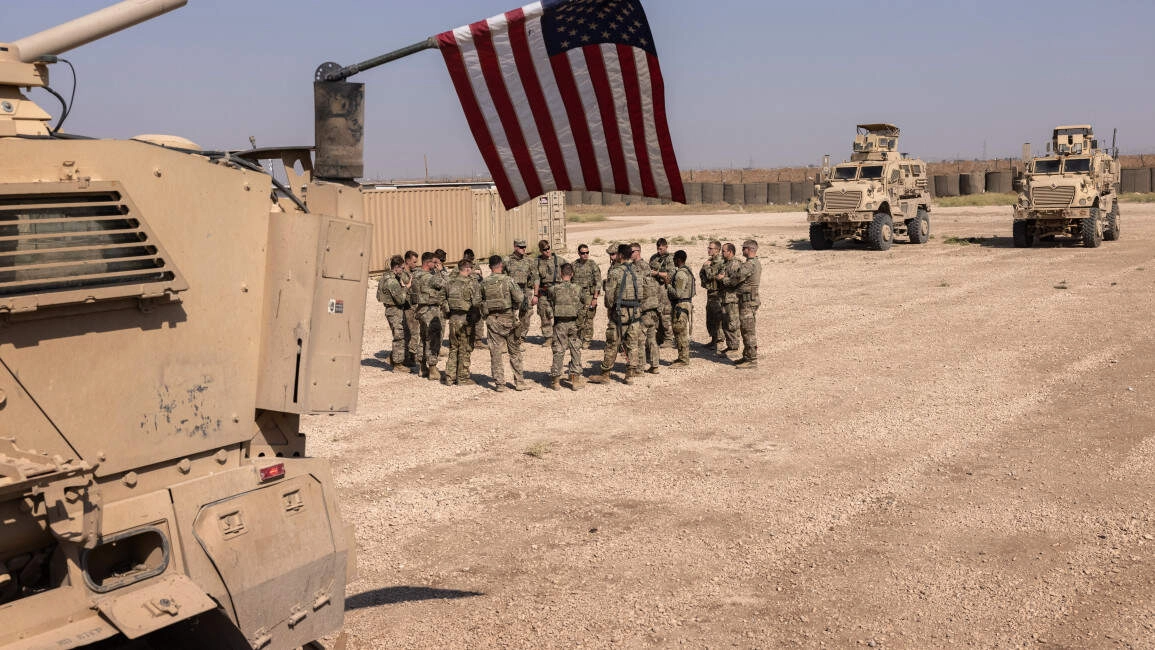
After nearly 23 years of military presence in Iraq, the United States has made the significant decision to withdraw its troops from the country. This decision comes after a prolonged engagement that saw the deployment of thousands of American soldiers and the expenditure of billions of dollars. The U.S. invasion of Iraq in 2003, which aimed to dismantle Saddam Hussein’s regime and eliminate purported weapons of mass destruction, has been a subject of intense debate and scrutiny over the years. The prolonged military involvement raised questions about the effectiveness of foreign intervention and the ultimate goals of U.S. policy in the region.
The withdrawal decision reflects a broader reassessment of U.S. foreign policy in the Middle East, particularly in light of changing geopolitical dynamics and domestic considerations. Over the years, the American public has grown increasingly weary of prolonged military engagements, especially considering the human cost and the impact on national resources. The U.S. government faces pressure to focus on domestic issues, prompting a reevaluation of military commitments abroad. As the situation in Iraq continues to evolve, the U.S. aims to support the Iraqi government and security forces in maintaining stability in the absence of American troops.
Moreover, the decision to withdraw is influenced by the recognition that Iraqis must take charge of their own future. As the country has made strides towards establishing its sovereignty and governance, the U.S. acknowledges the necessity for Iraq to navigate its own path. The transition also emphasizes the importance of diplomatic engagement and support rather than military presence. Ultimately, the U.S. withdrawal from Iraq marks a significant chapter in its foreign policy, highlighting lessons learned from two decades of conflict and the complexities of nation-building in a volatile region.