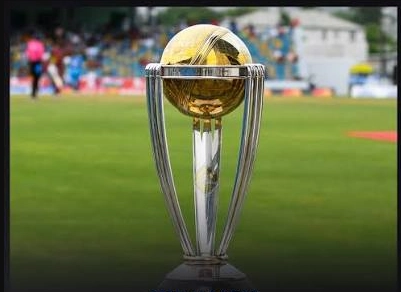
The International Cricket Council (ICC) has announced significant changes to the formats of the One Day International (ODI) and Twenty20 (T20) World Cups, aimed at enhancing the competitiveness of these prestigious tournaments. These alterations are designed to create a more engaging and thrilling experience for fans and players alike, ensuring that every match holds substantial importance. The decision reflects the ICC’s commitment to promoting the sport globally while maintaining high standards of competition among its member nations.
One of the primary changes involves the introduction of a new group stage format for the ODI World Cup. Instead of the traditional round-robin approach, teams will be divided into fewer groups, allowing for a more streamlined progression to the knockout stages. This method is anticipated to increase the stakes for each match, as teams will need to perform consistently against a select number of opponents to secure their place in the later rounds. The ICC believes that this will foster intense rivalries and create more high-pressure situations, which can lead to thrilling cricketing moments.
Similarly, the T20 World Cup will also see a revamp in its structure. The tournament will feature a reduced number of teams but will include a series of qualifying rounds that allow lower-ranked nations a chance to compete on the world stage. This change aims to level the playing field and offer opportunities for emerging cricketing nations to showcase their talents. By promoting inclusivity and diversity within the competition, the ICC hopes to cultivate a broader fan base and inspire the next generation of cricketers across various countries.
These format changes have garnered mixed reactions from players, coaches, and cricket analysts. Some believe that the new structures will invigorate the tournaments and result in higher quality matches, while others express concerns regarding the potential for fewer teams to participate. Despite the divided opinions, the overarching goal remains clear: to enhance the competitive landscape of international cricket. As the ICC moves forward with these reforms, the cricketing community eagerly anticipates the impact they will have on future World Cups and the sport’s evolution.