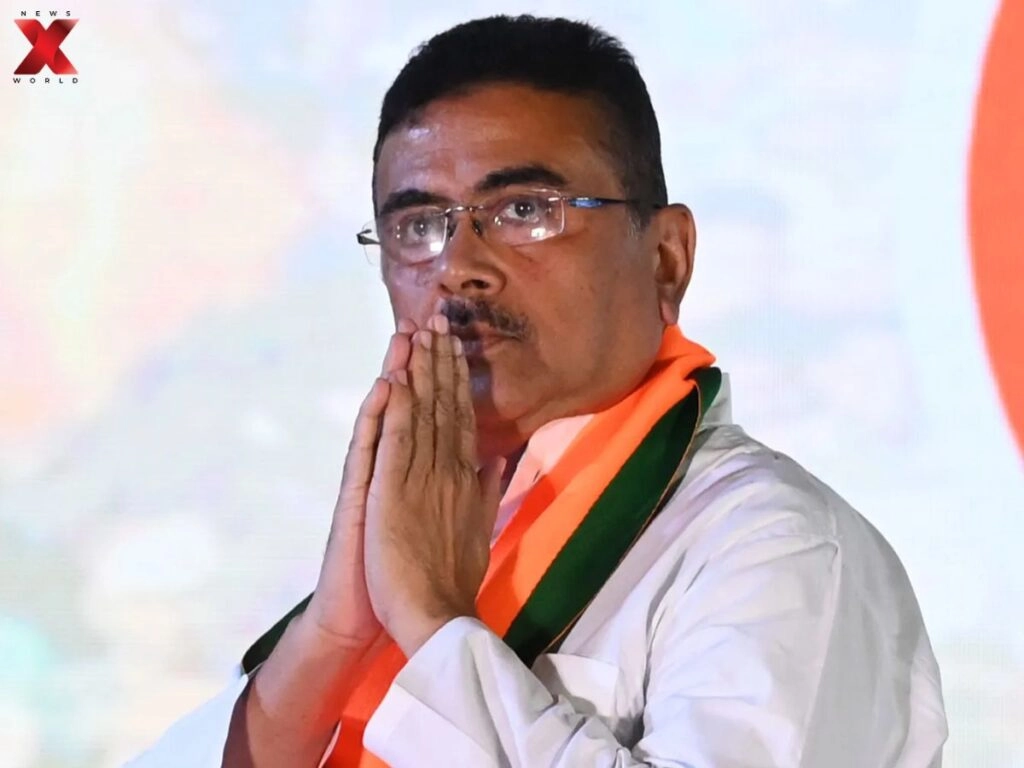
West Bengal Chief Minister Suvendu Adhikari has announced the state’s commitment to implementing the National Education Policy (NEP) alongside the PM Schools for Rising India (PM-SHRI) scheme. This decision is part of the state government’s broader strategy to enhance educational standards and improve the quality of schooling across West Bengal. The NEP, which aims to transform the Indian education system by making it more holistic and inclusive, will serve as a guiding framework for various educational reforms in the state.
The PM-SHRI scheme, introduced by the central government, focuses on upgrading existing schools and creating model schools that will serve as benchmarks for quality education. By adopting this scheme, West Bengal intends to ensure that students receive a modern education that is aligned with national standards. The initiative is expected to bring significant improvements in infrastructure, teaching methodologies, and student outcomes, ultimately fostering a more conducive learning environment.
In his announcement, CM Adhikari emphasized the importance of these initiatives in addressing the challenges faced by the education sector, particularly in rural and underserved areas. He pointed out that the implementation of NEP and the PM-SHRI scheme will not only enhance educational access but also promote skill development among students. This, in turn, will prepare them for future job opportunities and contribute to the state’s overall economic growth.
Furthermore, the Chief Minister reassured stakeholders that the state government will work closely with educational institutions, teachers, and parents to ensure the successful rollout of these programs. By fostering collaboration and community involvement, the government aims to create a more robust educational framework that benefits all students in West Bengal. The commitment to these educational reforms signals a proactive approach to developing human capital and empowering the youth of the state.