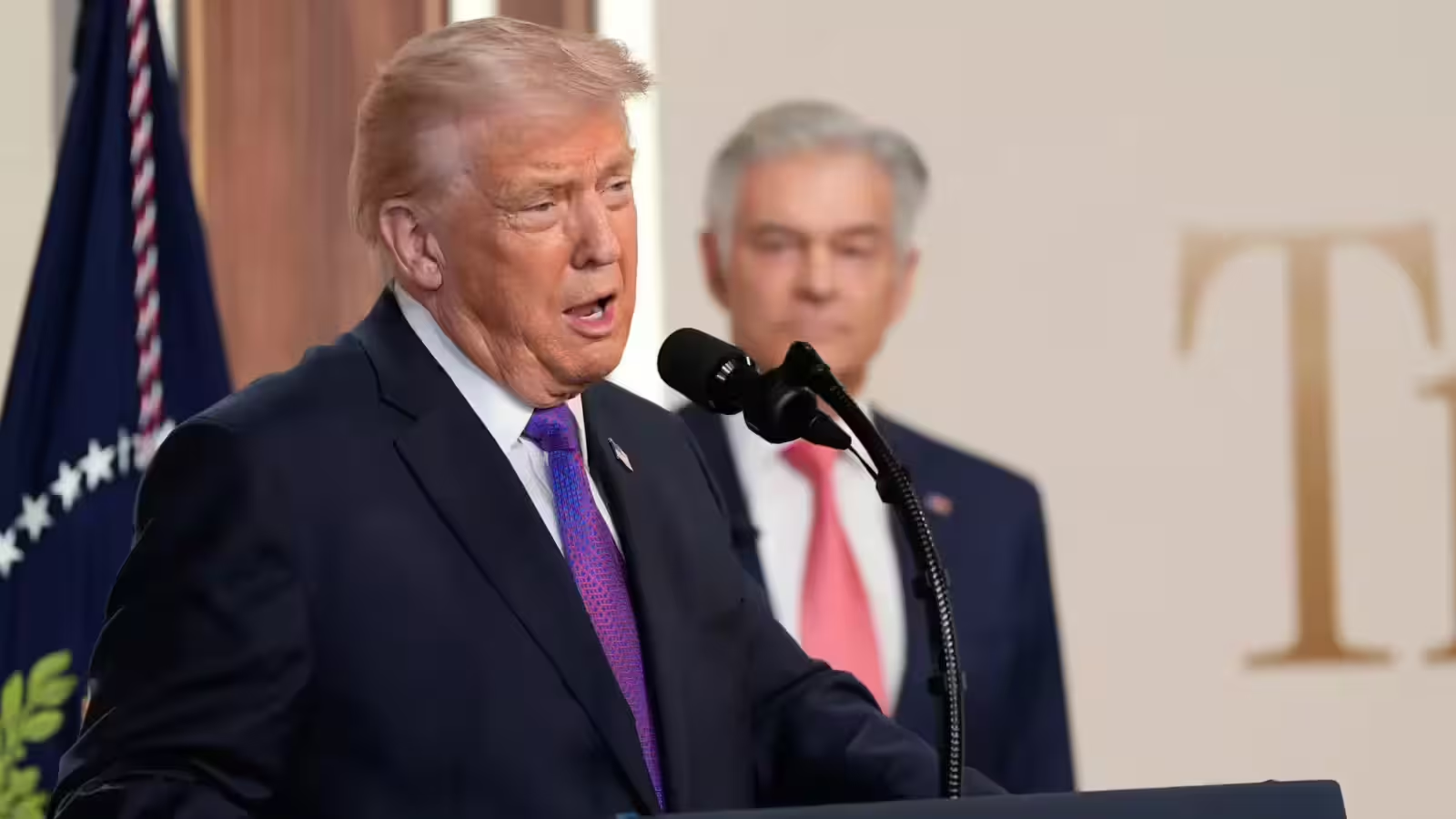
Former President Donald Trump has made a chilling threat regarding Iran’s nuclear facilities, stating that the United States would not hesitate to take military action if necessary. This declaration has sent shockwaves around the world, raising concerns about escalating tensions in the already volatile Middle East. Trump’s words imply a readiness to use force in response to perceived threats, a stance that could have significant geopolitical implications.
The context of this threat is rooted in longstanding concerns about Iran’s nuclear ambitions. For years, various administrations have grappled with the challenge of ensuring that Iran does not develop nuclear weapons capabilities. Trump’s comments reflect a continuation of a hardline approach towards Iran, which he has consistently adopted since his presidency. This rhetoric has sparked fears among international leaders and analysts who worry that such statements could provoke a military confrontation.
The global community is watching closely, as any military action against Iran could lead to widespread instability in the region. Countries in the Middle East, as well as global powers, are bracing for potential fallout from this situation. The possibility of an attack on Iran’s nuclear facilities raises questions about the effectiveness of diplomatic solutions and the impact on international relations. As tensions rise, it is crucial for diplomatic channels to remain open to prevent an escalation that could have dire consequences for global security.