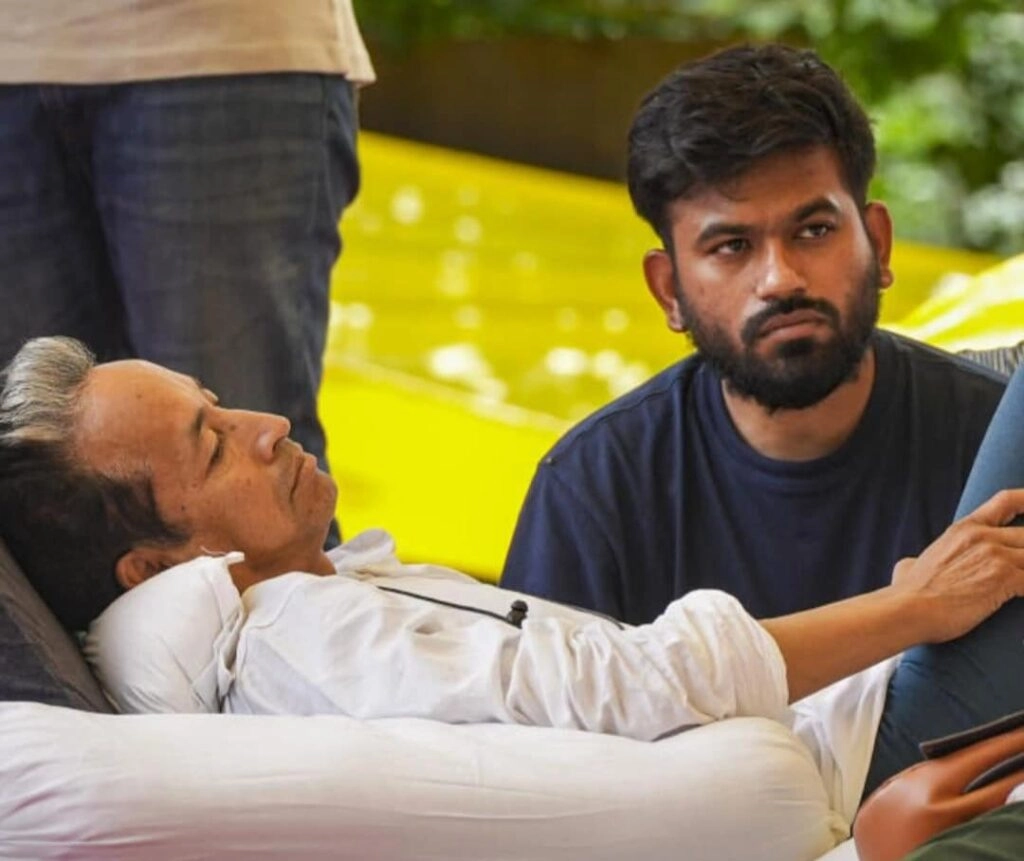
There has been a growing chorus of calls for Sonam Wangchuk, the prominent environmentalist and education reformer, to end his hunger strike as concerns mount over his deteriorating health. Wangchuk, who is widely recognized for his innovative approaches to sustainable development in the Himalayan region, began his hunger strike to draw attention to pressing environmental issues and the urgent need for governmental action on climate change. His commitment to these causes has inspired many, but his current condition has raised alarms among his supporters and the broader community.
As his health continues to decline, various opposition leaders have stepped in to express their solidarity with Wangchuk and to advocate for his well-being. They emphasize the importance of his message and the need for dialogue around the critical environmental challenges facing the region. The support from political figures highlights a growing recognition of the intersection between environmental activism and political responsibility, with many urging the government to not only address Wangchuk’s demands but also take more substantial steps toward sustainable practices.
Wangchuk’s hunger strike has not only brought attention to his personal cause but has also sparked a larger conversation about the role of activism in influencing policy change. As more people rally around him, the urgency of his message resonates with a public increasingly aware of the dire consequences of inaction on climate issues. His situation serves as a reminder of the sacrifices made by activists and the critical importance of their voices in shaping a sustainable future. With each passing day, the calls for him to end his strike grow louder, reflecting the collective hope for both his recovery and a renewed commitment to environmental stewardship.